
frogbit family
- noun
- Specialized
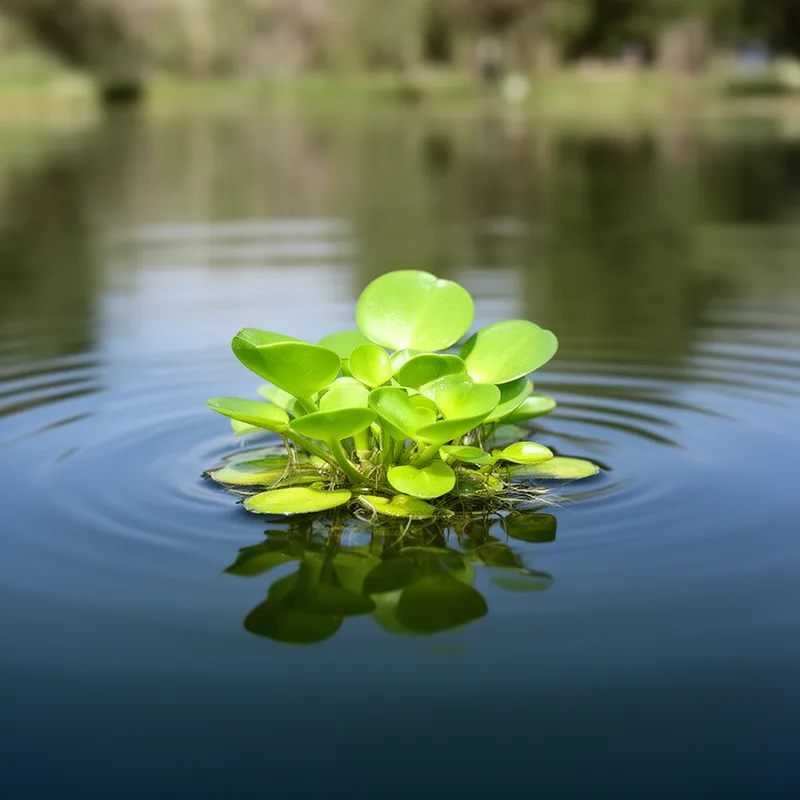
- The frogbit family includes several species that float on the surface of ponds and lakes.
Examples
-
Members of the frogbit family are often used in aquariums due to their attractive floating leaves.
-
The frogbit family thrives in shallow waters.
-
Many botanists study the unique adaptations of plants in the frogbit family.
-
Many species belong to the frogbit family.
-
Many botanists study the unique adaptations of plants in the frogbit family.
-
Members of the frogbit family are often used in aquariums due to their attractive floating leaves.
-
The frogbit family includes several species that float on the surface of ponds and lakes.
Synonyms

A group of simple water plants with little or no stem that live in fresh water

A group of simple freshwater plants like tape grass that grow in lakes and rivers

A family of small water plants with floating leaves in ponds and marshes
Surface Forms
Morphology
The phrase is a straightforward compositional noun phrase: combining 'frogbit' (a type of aquatic plant) with 'family' (a taxonomic grouping) yields 'the family of frogbit species'. This taxonomic construction (X family) is a regular, cross-linguistic pattern, so a B1 learner who knows both constituents should be able to infer the meaning.
Etymology
Frogbit family may come from the tiny round leaves that float on water, like a small place where a frog might sit, a little bit of land. That's why the name is used for a family of 'small floating plants' found in ponds and aquariums.

