
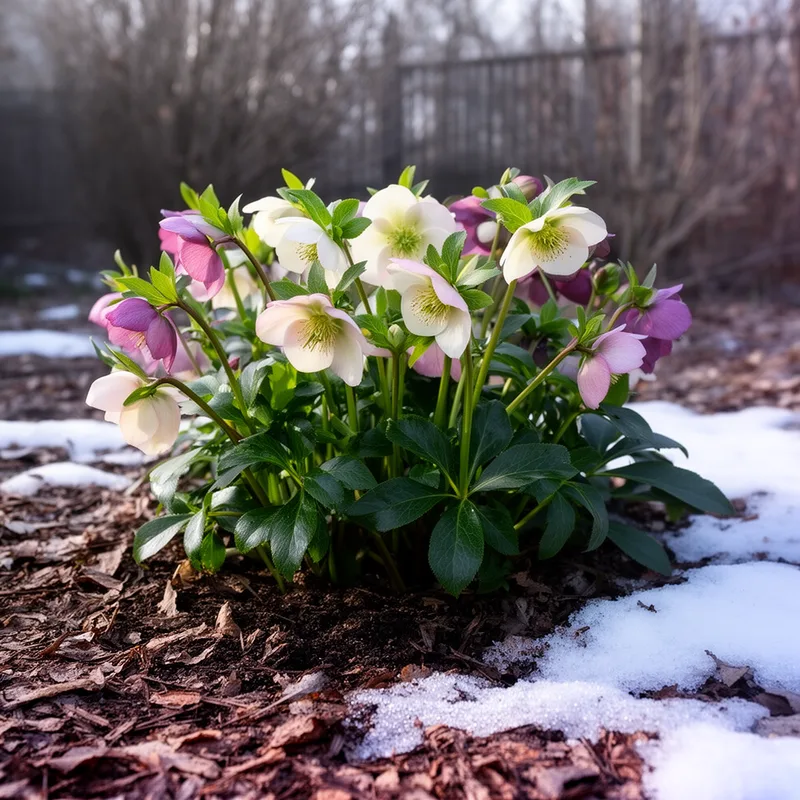
Helleborus
- noun
- /ˈhɛlɪˌbɔrəs/
- Specialized
- Many horticulturists prize Helleborus for its ability to bloom when few other plants do.
Examples
-
The garden featured several varieties of Helleborus flowering in the late winter months.
-
Experts recommend planting Helleborus in shaded areas with well-drained soil.
-
The Helleborus blooms beautifully in winter.
-
Have you seen the new Helleboruses at the garden center?
-
Experts recommend planting Helleborus in shaded areas with well-drained soil.
-
Many horticulturists prize Helleborus for its ability to bloom when few other plants do.
-
The garden featured several varieties of Helleborus flowering in the late winter months.
Synonyms

 1
9.9
1
9.9

A plant with thick leaves that blooms in early spring and can be poisonous
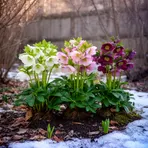
A group of plants called hellebores that live for many years and bloom in early spring
Compounds
- Specialized
A group of plants called hellebores that live for many years and bloom in early spring
- Specialized
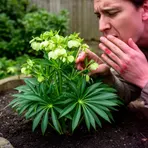
A garden plant with split leaves and a bad smell that can irritate if eaten
- Specialized
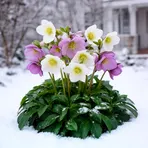
An evergreen plant with white or purple flowers that bloom in winter
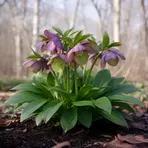
- Specialized
A garden plant that lives for many years with thick green leaves and purple-green flowers in spring
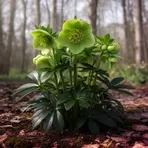
- Specialized
A flowering plant with green saucer-shaped flowers and split dark leaves that grows in Europe
Surface Forms
Etymology
Helleborus comes from the old Greek name helleboros, the same root as the English word hellebore for a winter-flowering plant. These plants were once used in 'medicine' but can be 'poisonous', which helps explain why Helleborus names a hardy, early-blooming flower people notice in winter gardens.