
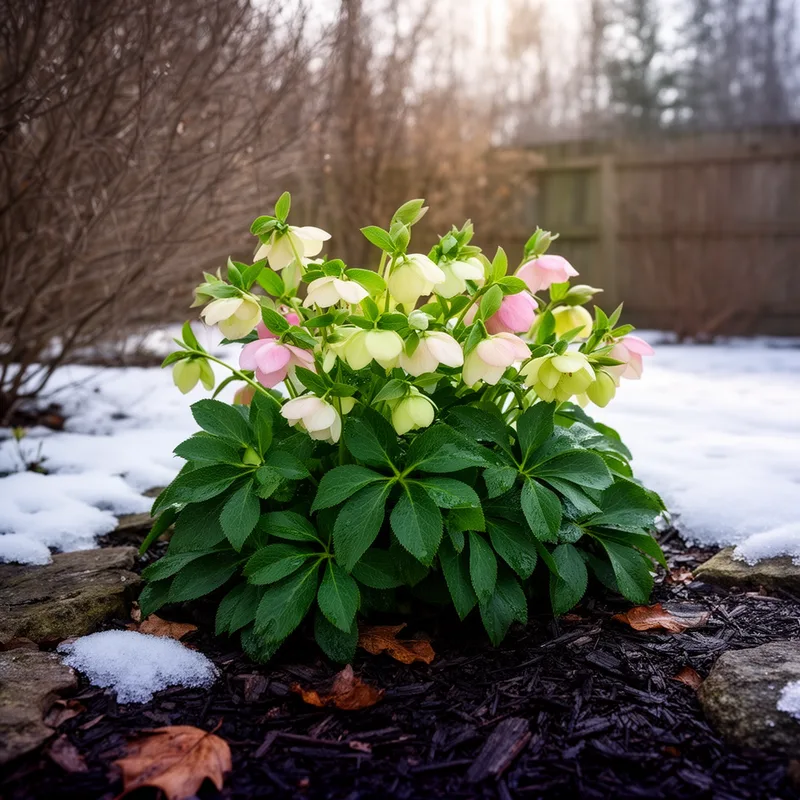
Helleborus
- proper noun
- Specialized
- Many gardeners love the Helleborus for its vibrant flowers.
- Helleborus (hellebores)
- Helleborus orientalis
- Helleborus foetidus
Examples
-
The Helleborus blooms beautifully in early spring.
-
Many gardeners plant Helleborus to enjoy flowers in late winter and early spring.
-
The leaves of Helleborus remain green throughout much of the year.
-
Several species of Helleborus are popular in shade gardens for their resilience.
-
In early spring, the vibrant flowers of Helleborus brighten the garden after a long winter.
-
The Helleborus plant is admired for its ability to bloom when most other flowers are still dormant.
-
Gardeners often choose Helleborus for its beautiful, early-season blooms that add color to their landscape.
Synonyms

 1
9.9
1
9.9

A plant with thick leaves that blooms in early spring and can be poisonous
A group of plants called hellebores that live for many years and bloom in early spring
Compounds
- Specialized
A group of plants called hellebores that live for many years and bloom in early spring
- Specialized
A garden plant with split leaves and a bad smell that can irritate if eaten
- Specialized
An evergreen plant with white or purple flowers that bloom in winter
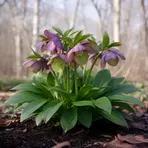
- Specialized
A garden plant that lives for many years with thick green leaves and purple-green flowers in spring
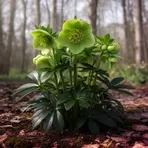
- Specialized
A flowering plant with green saucer-shaped flowers and split dark leaves that grows in Europe
Surface Forms
Etymology
Helleborus as a plant group name comes from the old Greek word helleboros, the same word as the common English hellebore. Because people once used these plants in 'medicine' and also found them 'poisonous', the name stuck to this group of hardy, early spring flowers gardeners value.