
Gymnospermophyta
- noun
- /ˌdʒɪmnoʊˈsɜrmoʊfɪtə/
- Specialized
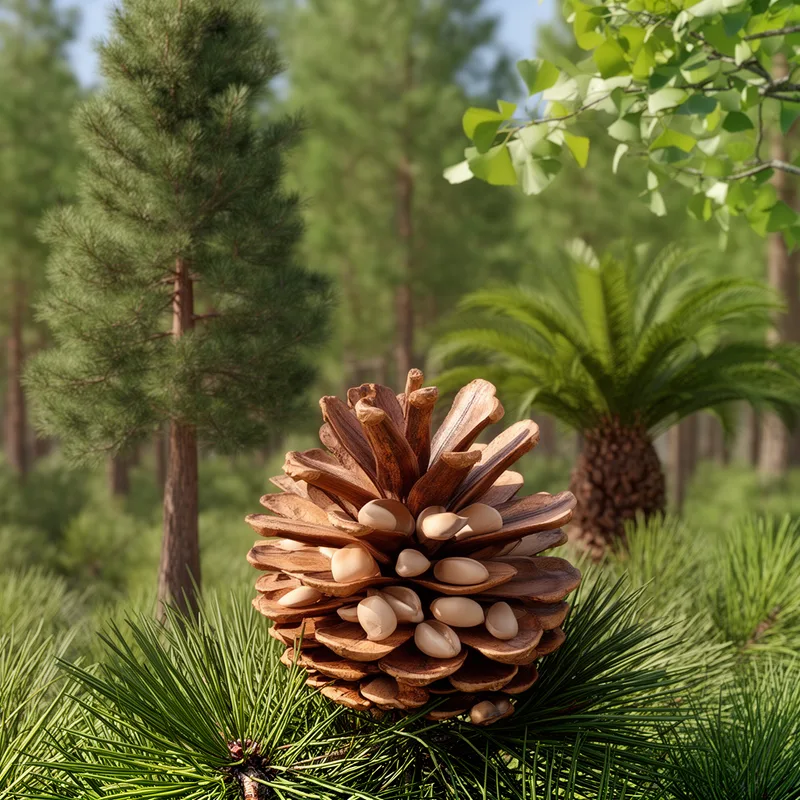
- Gymnospermophyta are characterized by their seeds, which are not enclosed in an ovary.
Examples
-
Gymnospermophyta include conifers such as pines and firs, as well as cycads and ginkgo.
-
Researchers classified the rare specimen as a member of the Gymnospermophyta division.
-
The evolutionary history of Gymnospermophyta provides insight into how plants adapted to terrestrial life.
-
The Gymnospermophyta include various species like pine and spruce.
-
Did you know that Gymnospermophyta are often used in landscaping?
-
Examples of Gymnospermophyta include species like ginkgo and various types of conifers.
-
Many plants in the Gymnospermophyta division thrive in northern climates and are important for timber production.
Synonyms
Plants that make seeds that are not inside a fruit, like pines and ginkgo
Surface Forms
Morphology
Gymnospermophyta = gymnosperm (opaque) = gymno + sperm + ophyta
This is a highly specialized botanical taxon name whose meaning is not readily predictable for an average learner from the component parts alone.
Etymology
Gymnospermophyta comes from Greek parts: gymno- meaning 'naked', -sperm- meaning 'seed', and -phyta meaning 'plants'. So Gymnospermophyta are 'naked-seed plants' whose seeds are not inside a fruit, as in pines, cycads, and ginkgo.

