
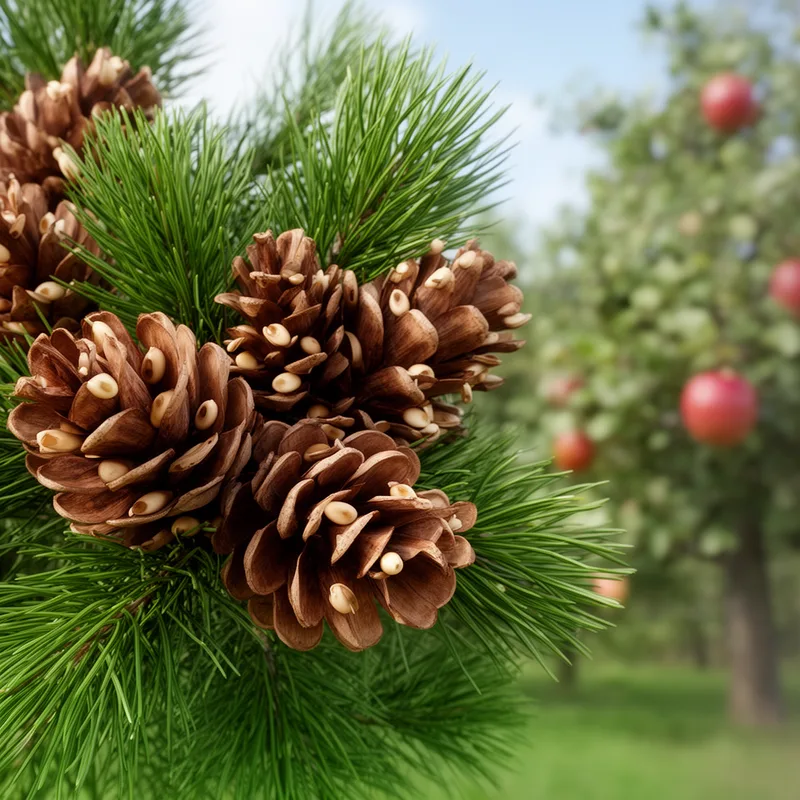
gymnosperm
- noun
- /ˈdʒɪm.nəˌspɜrm/
- Specialized
- When the first angiosperm evolved from the gymnosperms, it most likely incorporated B and C genes into its flowers.
- gymnosperm and angiosperm
Loading YouTube…
Watch on YouTubeGiant Groves of gymnosperm stretched in dense clumps among the rooftops of the submerged buildings, smothering the white rectangular outlines.
- Giant Groves of gymnosperm stretched in dense clumps among the rooftops of the submerged buildings, smothering the white rectangular outlines.
Examples
-
In just the warm deserts of the world, the list includes woody species from 36 different dicotyledonous families plus the gymnosperm Ephedra (Gibson 1996).
Academic text (1998) -
Scientifically, gymnosperms are classified as seed plants that include conifers and cycads.
-
We only see trees among seed plants, which consist of two groups, gymnosperms and angiosperms.
-
Gymnosperms have B and C genes, which help build the male and female parts of their reproductive cones.
Academic text (2006) -
Only 3 million years ago, the two continents were even more similar floristically when they shared at least 13 gymnosperm and 52 angiosperm tree genera.
Academic text (1996) -
Only one large group of vascular plants, the gymnosperms (conebearing plants), is not represented among the epiphytes.
Academic text (1991) -
In addition, the curriculum director noted the participants in this study had exposure to all of the topics except one (i.e., gymnosperms and angiosperms) at some point in their careers at the school.
Academic text (2013) -
Seven of Europe's 8 gymnosperm genera and 37 of its 78 angiosperm genera are shared in common with North America (Huntley 1993).
Academic text (1996) -
Giant Groves of gymnosperm stretched in dense clumps among the rooftops of the submerged buildings, smothering the white rectangular outlines.
-
The gymnosperm known as the pine tree produces seeds that are not enclosed in fruits.
Compounds
Surface Forms
Morphology
Etymology
Gymnosperm comes from the Greek parts gymnos 'naked' and sperma 'seed', so it literally means 'naked seed'. That's why a gymnosperm like a pine has seeds that are exposed, not inside a fruit.

