
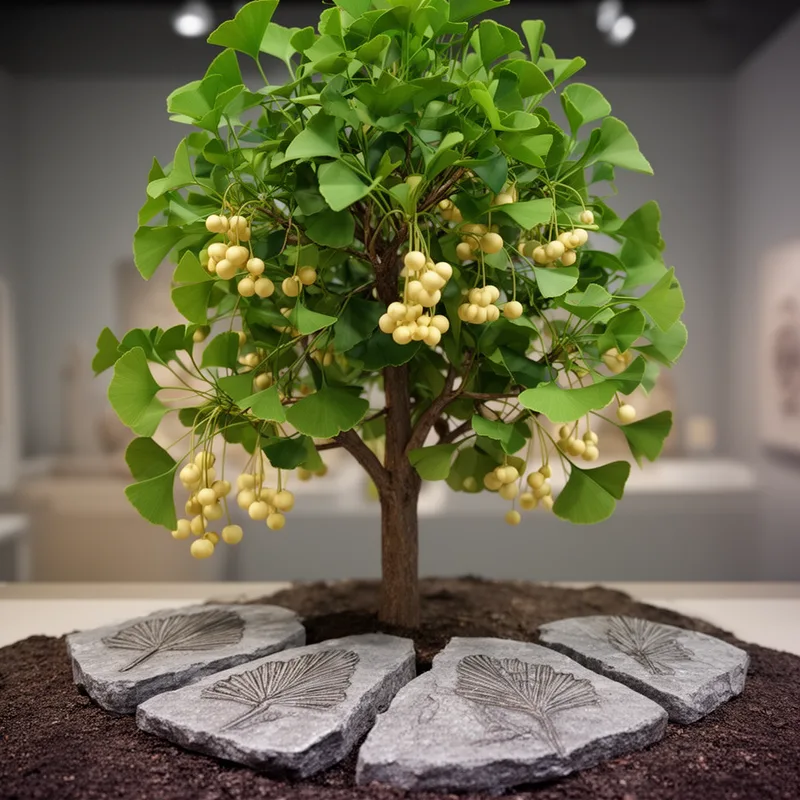
Ginkgopsida
- noun
- /ɡɪŋˈkoʊp.sɪ.də/
- Specialized
- The Ginkgopsida comprise only one extant species, the ginkgo tree.
Examples
-
Paleobotanists study fossils to understand the evolutionary history of Ginkgopsida.
-
Many modern classifications treat Ginkgopsida as a separate group distinct from conifers.
-
The Ginkgopsida class is unique among gymnosperms.
-
Did you know that Ginkgopsida includes the ginkgo tree?
-
Many modern classifications treat Ginkgopsida as a separate group distinct from other gymnosperms.
-
The Ginkgopsida include the ancient ginkgo tree, which has survived for millions of years.
-
Researchers have discovered new information about the Ginkgopsida through fossil analysis.
Synonyms
A group of plants that includes the ginkgo tree Ginkgo biloba

A group of seed plants that includes the ginkgo tree and its extinct relatives

A group of plants that includes the ginkgo tree and its relatives
A group of seed plants from a long time ago that now has only one living species, Ginkgo biloba
A group of ancient seed plants now represented only by the ginkgo tree
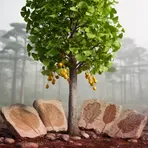
A group of seed plants including the living ginkgo tree and extinct relatives

A family of plants that includes the ginkgo tree

A group of ancient seed plants with only one living species
Compounds
Surface Forms
Morphology
Etymology
Ginkgopsida begins with ginkgo, the name of the tree that comes from a Japanese/Chinese word meaning 'silver apricot'. The ending -opsida is a scientific part that means a 'class' or group of plants, so Ginkgopsida means the ginkgo 'class', the plant group that contains the ginkgo tree.

