

Gasterophilus
- noun
- /ˌɡæstəˈrɒfɪləs/
- Specialized
- The Gasterophilus larvae can cause severe digestive issues in horses.
Examples
-
The lifecycle of Gasterophilus involves the adult fly laying eggs on the horse’s body.
-
Veterinarians often recommend treatments to control Gasterophilus infestations in stabled horses.
-
Gasterophilus larvae can cause significant discomfort in horses by attaching to their stomach lining.
-
Many horse owners are concerned about Gasterophilus infestations.
-
Gasterophilus larvae can cause significant discomfort in horses by attaching to their stomach lining.
-
Veterinarians often recommend treatments to control Gasterophilus infestations in stabled horses.
-
Many horse owners are concerned about Gasterophilus infestations.
Synonyms
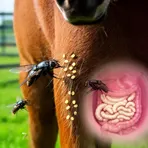
A group of flies that lay eggs on horses and live as parasites

A large fly whose young live in a horse's stomach and intestines and harm it
Compounds
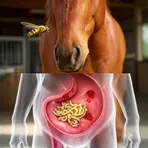
- Specialized
A fly whose young live in horses' stomachs and cause illness
Surface Forms
Etymology
Gasterophilus comes from the Greek parts gaster 'stomach' and philus 'loving'. It literally means 'stomach-loving', which helps you remember that these flies' larvae live on or in a horse's stomach.

