
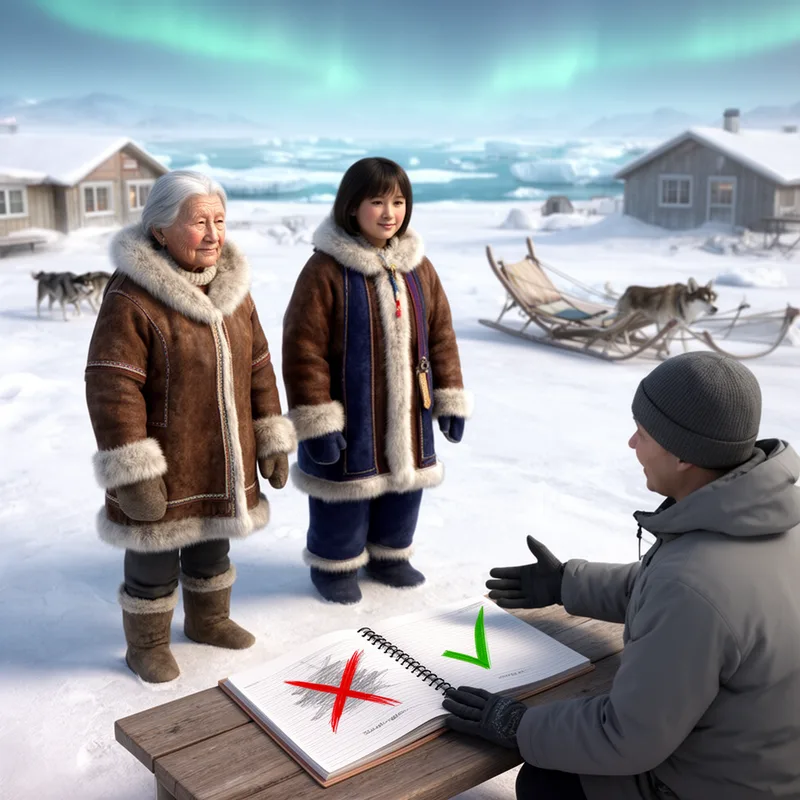
Eskimo
- noun
- /ˈɛskɪmoʊ/
- Slur
- Many people mistakenly believe that Eskimo is the preferred term for the indigenous peoples of the Arctic.
Loading YouTube…
Watch on YouTubeBut the thing was, he couldn't sell ice to the Eskimos.
- But the thing was, he couldn't sell ice to the Eskimos.
- And, you know, my Dean in high school told me that you could sell ice to an Eskimo.
- And my first job where I got paid out of college was teaching Eskimo kids how to swim in Alaska along the Cuskaquim River.
- Well, and think about like ice to an Eskimo.
- So, you know, one of the interesting examples of that is Eskimos.
- And you could reason that Eskimos understand snow better than we do because it's literally all they have.
Examples
-
He spends a lot of time with indigenous hunters in the Arctic, so he spends a lot of time with Eskimo, Inuit hunters, and he is at peace.
-
"Only a myth, of course, but observers well into the 20th century "marked how cautiously older eskimo approached strangers on the ice."
-
No, Eskimo were the indigenous people of the north of of northern Canada, Alaska.
-
And you could reason that Eskimos understand snow better than we do because it's literally all they have.
-
And my first job where I got paid out of college was teaching Eskimo kids how to swim in Alaska along the Cuskaquim River.
-
In Alaska, Eskimo children have unique traditions that reflect their culture and environment.
-
The documentary highlighted the challenges faced by Eskimo communities in preserving their language and customs.
Synonyms
 24
6.3
24
6.3

Native people who live in the Arctic regions of northern Canada, Greenland, Alaska, and eastern Siberia
Compounds

- Offensive
 1
8.1
1
8.1
A group of related languages spoken by native Arctic people like Inuit and Yupik
- Specialized
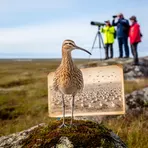
A North American bird that used to be common but is now very rare or extinct

- Offensive
A group of related languages including Inuit, Yupik, and Aleut spoken in Arctic North America and Siberia

- Offensive
A family of languages spoken in the Arctic regions of North America and Siberia, like Inuit and Aleut
Surface Forms
Etymology
Eskimo likely comes from an old Algonquian word and one common story says it meant 'eats raw meat', which many people find insulting today, so it is better to use the local names Inuit or Yupik when talking about these Arctic peoples.