

Eskimo dog


 1
6.0
1
6.0
- noun
- /ˈɛskɪmoʊ dɔg/
- US
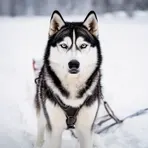
- The Eskimo dog is known for its thick coat and strength in pulling sleds across the icy terrain.
- American Eskimo dog
Examples
-
The Eskimo dog is known for its strength.
-
Early explorers often relied on teams of Eskimo dogs to travel across snowy landscapes.
-
Her family has raised Eskimo dogs for generations, training them to pull heavy sleds over long distances.
-
The Eskimo dog is renowned for its strength and endurance in freezing Arctic conditions.
-
Many Eskimo dogs are trained to pull sleds.
-
Many families in the Arctic rely on the Eskimo dog to help them transport goods through deep snow.
-
Her Eskimo dog eagerly pulled the sled as they raced through the snow-covered landscape.
Synonyms
 14
2.4
14
2.4
A strong dog with thick fur used to pull sleds
 6
2.7
6
2.7
A dog trained to pull a sled in snowy areas
 1
2.3
1
2.3
A medium-sized dog with thick fur and erect ears used for pulling sleds

A dog trained to pull a sled in snowy places
Surface Forms
Morphology
The compound combines the geographic/ethnic modifier 'Eskimo' (Arctic people) with 'dog', so a learner who knows both words can infer it denotes a dog associated with Arctic people—typically a sled or working dog. This follows a common noun+noun compositional pattern found across languages, making the basic meaning transparent to a B1 learner even if they may not know breed-specific details.
Etymology
Eskimo dog comes from early explorers who saw thick-coated dogs used by Arctic people who were called 'Eskimo' to pull sleds, so they called them 'Eskimo dogs'. That's why Eskimo dog today means a strong, sled-pulling Arctic dog.