
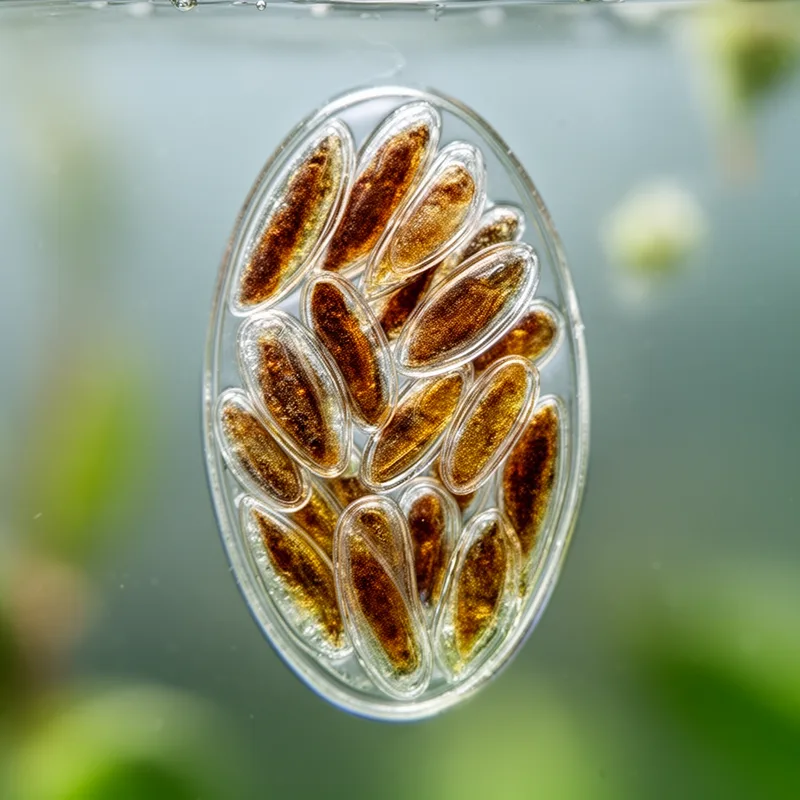
Chrysophyta
- noun
- /ˌkrɪsəˈfaɪtə/
- Specialized
- Members of the Chrysophyta are often found in freshwater lakes and ponds.
Examples
-
Microscopists have long studied the unique silica shells of Chrysophyta species.
-
Many species of Chrysophyta thrive in freshwater environments.
-
The classification of Chrysophyta has changed as scientists learn more about algae diversity.
-
The Chrysophyta are essential for many aquatic ecosystems.
-
Members of the Chrysophyta are crucial for the growth of many freshwater ecosystems.
-
Microscopists have been fascinated by the beautiful silica shells of Chrysophyta species.
-
Many species of Chrysophyta serve as important food sources for fish in lakes.
Synonyms

A group of mostly freshwater microscopic algae with yellow or brown color
A group of algae with two unequal tails used to move and a brown colour
Compounds
- Archaic
A group of mostly freshwater microscopic algae with yellow or brown color
Surface Forms
Morphology
Chrysophyta = chryso + phyta
The term is formed from specialized taxonomic combining forms ('chryso-' + '-phyta') that are not productive standalone English words, so an average B1 learner cannot reliably derive the meaning from familiar base words.
Etymology
Chrysophyta comes from Greek parts chryso- meaning 'gold' and -phyta meaning 'plants', so it literally means 'golden plants'. This is a good memory hook because these algae often have yellow or golden-brown pigments, which is why the name fits their colour.

