

Chrysolepis chrysophylla
- noun
- Specialized
- Gardeners sometimes plant Chrysolepis chrysophylla as an ornamental tree for its attractive foliage.
Examples
-
The nuts of the Chrysolepis chrysophylla are edible and prized by wildlife.
-
The Chrysolepis chrysophylla is often used in landscaping.
-
Botanists studied the unique leaf structure of the Chrysolepis chrysophylla along the Pacific Coast.
-
Have you seen a Chrysolepis chrysophylla tree before?
-
Gardeners sometimes plant Chrysolepis chrysophylla as an ornamental tree for its attractive foliage.
-
The nuts of the Chrysolepis chrysophylla are edible and prized by wildlife.
-
Botanists studied the unique leaf structure of the Chrysolepis chrysophylla along the Pacific Coast.
Synonyms

A small evergreen tree with shiny yellow-green leaves and edible nuts
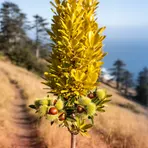
A small evergreen tree from the Pacific Coast with shiny yellow-green leaves and edible nuts

A small evergreen tree of the Pacific Coast with shiny yellow-green leaves and edible nuts
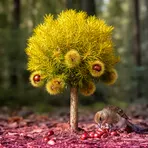
A small evergreen tree from the Pacific coast of North America with shiny yellow-green leaves and edible nuts
Surface Forms
Morphology
Chrysolepis + chrysophylla
This is a Latin binomial (a scientific species name) rather than a compositional English phrase; it functions as a proper noun and is not built from familiar English words that B1 learners can combine to get the species description. One constituent is not attested as an English word and the genus name does not convey the specific descriptive details (yellow‑green leaves, edible nuts), so the meaning cannot be derived from the parts.
Etymology
Chrysolepis chrysophylla comes from Greek words: chryso- meaning 'gold' and -phylla meaning 'leaf', because the tree's leaves are shiny yellow-green and look golden underneath. That's why this small Pacific Coast evergreen, with glossy leaves and edible nuts, has a name that points to its 'golden leaf'.

