
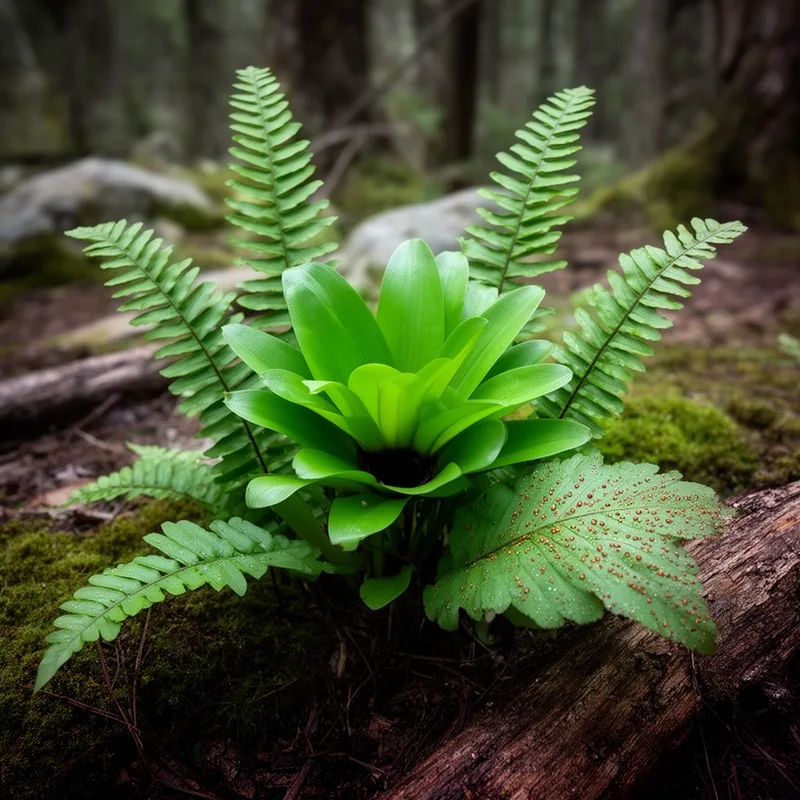
Asplenium
- noun
- /æˈsplɛn.i.əm/
- Specialized
- The Asplenium fern is known for its unique leaves and ability to thrive in shade.
Examples
-
Gardeners admire the Asplenium for its hardy nature and attractive foliage.
-
Ranker and colleagues (1994) used allozymic evidence to show that the inbreeding polyploid Asplenium adiantum-nigrum had at least three and possibly as many as 17 separate introductions to Hawaii.
Academic text (2002) -
In botanical studies, the Asplenium genus is often highlighted for its diversity within ferns.
Synonyms
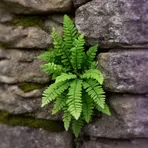
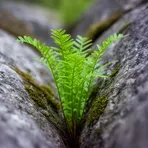
A small fern that grows on rocks and old walls
Compounds

- Specialized
A small fern with dark green divided leaves that grows on rocks and is used in medicine

- Specialized
A small fern that grows on rocks and in shady places in western Europe

A small European fern with dry brown scales on its leaves, often on rocks and walls
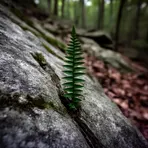
- Specialized
A small evergreen fern with narrow triangular leaves that grows on rocks in eastern North America

- Specialized
A rare fern with delicate leaves that grows in damp shaded places

- Australian
A fern with large, round leaves that grows on trees in tropical places

- Specialized
A small fern with deeply lobed leaves that grows in eastern and southern United States
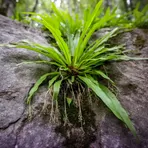
- Specialized
A fern with long narrow leaves that make roots at their tips and spread across rocks

- Specialized
A common fern in eastern North America with narrow green leaves and shiny black stems


A fern from Europe and Asia with long tongue-shaped leaves that grows in moist shade

- Specialized
A small fern with thin, divided leaves that grows on rocks in shady places
- Specialized
A small fern with thin green leaves that grows in cool northern regions
Surface Forms
Etymology
Asplenium comes from the old Greek word asplēnion, from splen meaning 'spleen', because the small spore spots on the fern's leaves looked like a spleen. So, the name Asplenium points to this group of ferns and explains why they are often called 'spleenworts'.

