

Asplenium ruta-muraria
- noun
- Specialized
- You can often spot Asplenium ruta-muraria thriving on ancient castle walls.
Examples
-
The old stone bridge was covered with Asplenium ruta-muraria growing in the cracks.
-
The Asplenium ruta-muraria thrives in rocky environments.
-
Botanists discovered a rare patch of Asplenium ruta-muraria on the northern cliffs.
-
Have you seen an Asplenium ruta-muraria growing on that wall?
-
While hiking in the mountains, we found a beautiful patch of Asplenium ruta-muraria nestled among the rocks.
-
During our visit to the botanical garden, we admired the Asplenium ruta-muraria that was growing along the old brick walls.
-
You can see Asplenium ruta-muraria sprouting from the crevices of ancient stone buildings.
Synonyms

A small fern with delicate leaves that grows on old walls and rocks
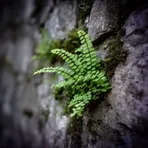
A small delicate fern that grows on walls and cliffs
Surface Forms
Morphology
Asplenium + ruta-muraria
The binomial name is partly transparent because 'Asplenium' identifies the genus (a type of spleenwort/fern), so a learner who knows that would understand it denotes a kind of fern. However, the species epithet 'ruta-muraria' is Latin and not interpretable by an average B1 learner (no dictionary gloss provided), so the specific sense and ecological details cannot be fully derived from the constituents.
Etymology
Asplenium ruta-muraria comes from old Latin words: Asplenium links to the 'spleen' (people once thought these ferns helped the spleen), and ruta with muraria means 'rue of the wall' or a rue-like plant that grows on walls. So the name creates a clear picture — a small spleenwort fern that lives on stone walls and cliffs — which helps you remember what the plant is.

