

withered
 1
4.6
1
4.6

- adjective
- /ˈwɪðərd/
- The once vibrant garden is now filled with withered plants that need water.
- withered and old
Loading YouTube…
Watch on YouTubeBut the sound that comes to predominate is a rhyme or assonance upon the strong pre withered leaves about your feet.
- But the sound that comes to predominate is a rhyme or assonance upon the strong pre withered leaves about your feet.
- Carlos Roche watched as tears of elation ran down the withered face of his friend Owl, an old man who had been locked up for decades.
Examples
-
Past love a memory, withered and old.
-
What are these, so withered and so wild in their attire...?
Academic text (1997) -
A withered old woman in a yellow dress and a broad-brimmed yellow hat asks me for them back.
Fiction book (1998) -
Some of them were blind, some lame, and some had withered limbs.
-
"They've come for me," the withered old man said, using his battered flute to raise himself from the floor.
Fiction book (1992) -
His withered flesh starts to rehydrate; his veins start to throb.
Fiction book (1995) -
After a drought, the flowers in the park looked dry and withered.
-
The withered leaves fell from the tree, indicating the changing seasons.
Synonyms
 18
3.5
18
3.5
No longer holds water and is very dry, like a riverbed or plant
 8
2.8
8
2.8
Completely dry because it has no water left
 5
8.1
5
8.1
Thin and wrinkled from age or illness
 4
4.8
4
4.8
Very small and wrinkled, often because of age or illness
 1
9.9
1
9.9
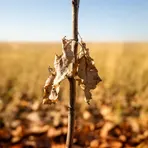
Very dry and withered, often describing plants or leaves


 1
5.2
1
5.2
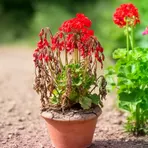
Dry and wrinkled because it has lost water
 1
3.1
1
3.1
Limp and drooping from lack of water, heat, or disease

Dried and shrunken with a wrinkled surface from lack of water
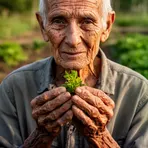
Dry, thin, and wrinkled from old age or sickness

Having little energy or feeling and seeming lifeless
Antonyms


How Withered

Surface Forms
Morphology
Etymology
Withered comes from the old verb wither, which means to 'lose water and life', like a plant left too long in the sun. So something withered is 'dried up' and 'lifeless', which is why we use the word for dry plants or for people or parts of the body that look weak and shrunken.