

whole
 484
1.0
484
1.0

- noun
- /hoʊl/
- But taken as a whole, I was wrong to have thought so highly of you.
- taken as a whole
- population as a whole
- ecosystem as a whole
Examples
-
You're now entering the most secure location in the whole of England.
-
The committee as a whole included other individuals who would play a key role in the NHS.
Academic text (2011) -
I have no idea how this whole thing works.
-
You know you can live your whole life in this.
-
On the whole, what we do is necessary.
-
The needs of the cohort as a whole are different from the individual needs of college students.
Academic text (2011) -
Only if society is better off as a whole does favoring inequality seem fair.
Academic text (2011) -
On the whole, I wish I'd stayed in Tunbridge Wells.
-
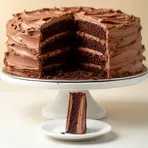
The whole cake was eaten by the children at the party.
-
She loves to read the whole book in one sitting.
Synonyms
 ∞
1.0
∞
1.0
Everything in a group or the whole amount of something
 ∞
1.0
∞
1.0
All the things or all that someone has
 68
4.1
68
4.1
The whole of something that includes every part
 32
6.5
32
6.5
All the parts of something considered together
 7
8.0
7
8.0
Everything that is part of something
 4
7.0
4
7.0
Everything included in a deal or plan
 4
6.7
4
6.7
All the things and people connected with something
 2
3.9
2
3.9
Everything included, for example all parts or options
 2
7.1
2
7.1
All the parts and activities of a project or situation

A state of being whole and complete

All the things in a group or set
Antonyms


Idioms




Compounds

 23
2.7
23
2.7
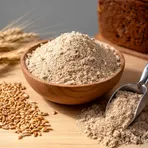
A grain that still has all its natural parts, like the outer layer and soft inside


 3
1.0
3
1.0
A type of bread made from the whole wheat grain that is denser and healthier than white bread


- Specialized
2
3.9
Blood taken from the body that still has all its cells and clotting parts




- Specialized
 1
3.9
1
3.9
A plan that pays a fixed amount when you die and has payments that stay the same for life



- Specialized
A relation where a smaller part belongs to a larger whole, like a wheel and a car


- Specialized
The name of the whole thing that parts belong to, like 'tree' for branches



- Archaic
A way of teaching reading that has learners memorize whole printed words and their sounds
How Complete

Surface Forms
Etymology
Whole as a noun comes from old English hāl meaning 'complete' or 'entire', and it means all of something as one unit. That's why we say 'the whole' to mean the entire thing made of all its parts.