
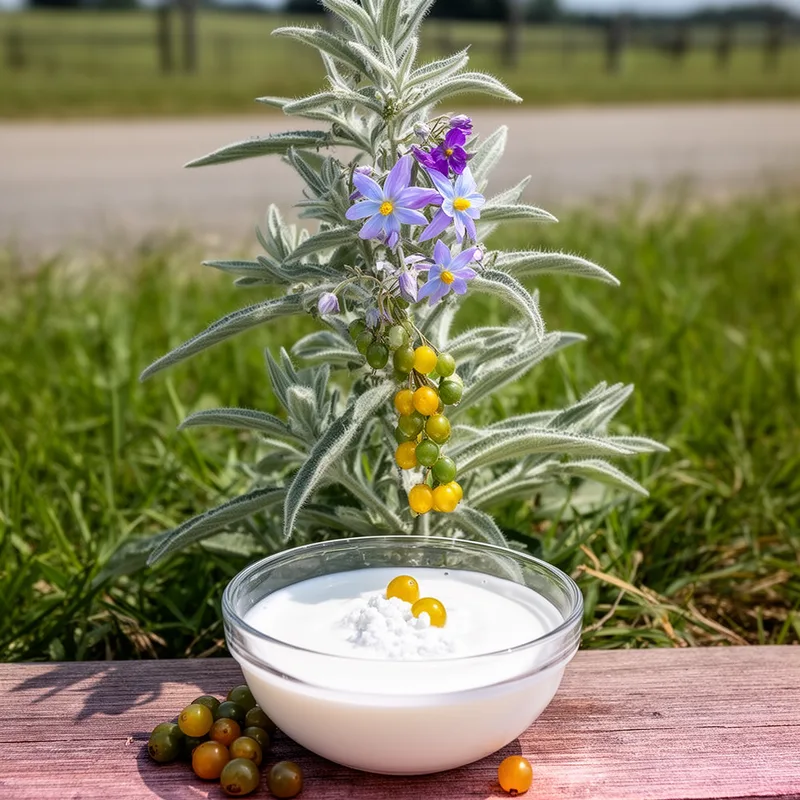
white horse nettle
- noun
- Specialized
- Local cheesemakers use berries from the white horse nettle to curdle milk naturally.
Examples
-
Across much of the Midwest, the resilient white horse nettle is a familiar sight along roadsides.
-
The pasture was overrun with white horse nettle, making it unsafe for the cattle.
-
The white horse nettle grows abundantly in the fields.
-
Farmers often consider the white horse nettle a troublesome weed.
-
Local cheesemakers use berries from the white horse nettle to curdle milk naturally.
-
Across much of the Midwest, the resilient white horse nettle is a familiar sight along roadsides.
-
Farmers often consider the white horse nettle a troublesome weed.
Synonyms

A plant with silvery leaves, small blue or white flowers, and a round berry used to curdle milk
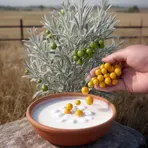
A wild plant with silvery leaves and round berries that people use to curdle milk
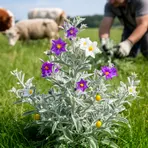
A wild plant with silvery leaves and violet or white flowers that can be poisonous to animals
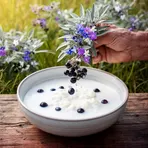
A wild plant with silvery leaves, violet, blue or white flowers and round berries used to make milk into cheese

A wild plant with silvery leaves and round berries that people use to curdle milk
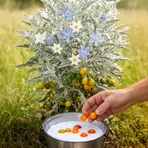
A plant with silvery leaves, light blue or white flowers, and round berries sometimes used to curdle milk
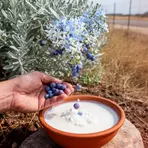
A wild plant with silvery leaves and blue or white flowers that makes berries used to curdle milk
Surface Forms
Morphology
The headword is a straightforward compound: 'nettle' identifies the plant category, 'white' specifies its colour, and 'horse' functions as a modifier as in other compound plant names (e.g. 'horse nettle'), so a learner who knows the constituents can infer it denotes a kind of nettle with white features. While botanical particulars (family, berry use) are not predictable, the basic referent (a type of plant) and its colour are transparently derivable from the parts.
Etymology
White horse nettle may get its name from its pale, silvery leaves (white) and from old farmer stories about horses eating or standing near it (horse), while nettle shows it is a wild, prickly plant. So the name helps you remember it's a pale, rough roadside plant whose round berries were sometimes used 'to curdle milk'.

