
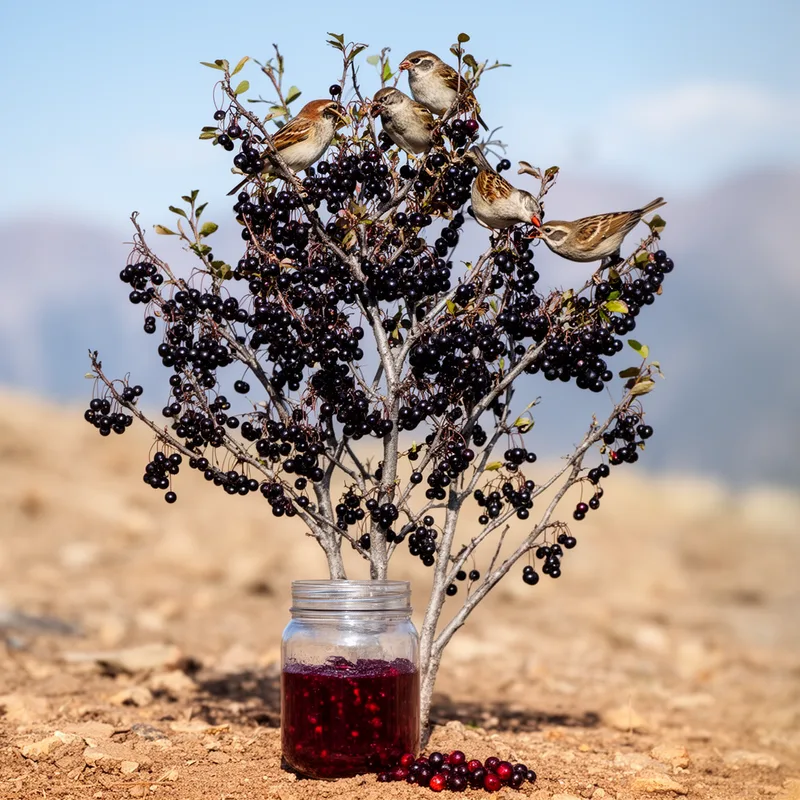
western chokecherry
- noun
- /ˈwɛstərn ˈtʃoʊkˌtʃɛri/
- US
- Many Native American tribes used the western chokecherry for making jams and medicinal remedies.
Examples
-
The western chokecherry thrives in the dry soils of the Rocky Mountains.
-
Birds are attracted to the fruit of the western chokecherry in late summer.
-
The western chokecherry produces small, tart fruits.
-
Many birds feed on western chokecherries in the fall.
-
The western chokecherry is a common plant in many wildlife habitats, providing food for various animals.
-
Native Americans traditionally used the western chokecherry to make delicious preserves and remedies.
-
During the summer months, the western chokecherry bears small, astringent fruits that attract birds.
Synonyms


 1
8.3
1
8.3
A wild North American cherry tree with small dark berries that taste bitter and attract birds
 1
9.3
1
9.3
A small sour berry that is dark red or black and used to make jams and jellies
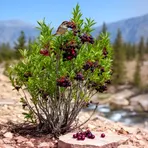
A wild cherry bush from the western United States with tart edible berries

A small wild tree with sour dark red berries that birds and people eat
Surface Forms
Morphology
western + chokecherry
This is a straightforward modifier + head-noun composition: 'western' simply specifies the geographic variety of the plant named 'chokecherry', so the meaning (the chokecherry found in the western region) is directly derivable from the constituents. The pattern is a common, compositional noun phrase structure cross-linguistically, so a learner who knows both words would readily understand the intended sense.
Etymology
Western chokecherry comes from the dry, sour taste of its small berries. The parts choke and cherry create a picture of a tiny fruit that makes your mouth pucker or feel as if it might 'choke' you, so the name helps you remember it is a western shrub with tart fruit used for jams and eaten by birds.