
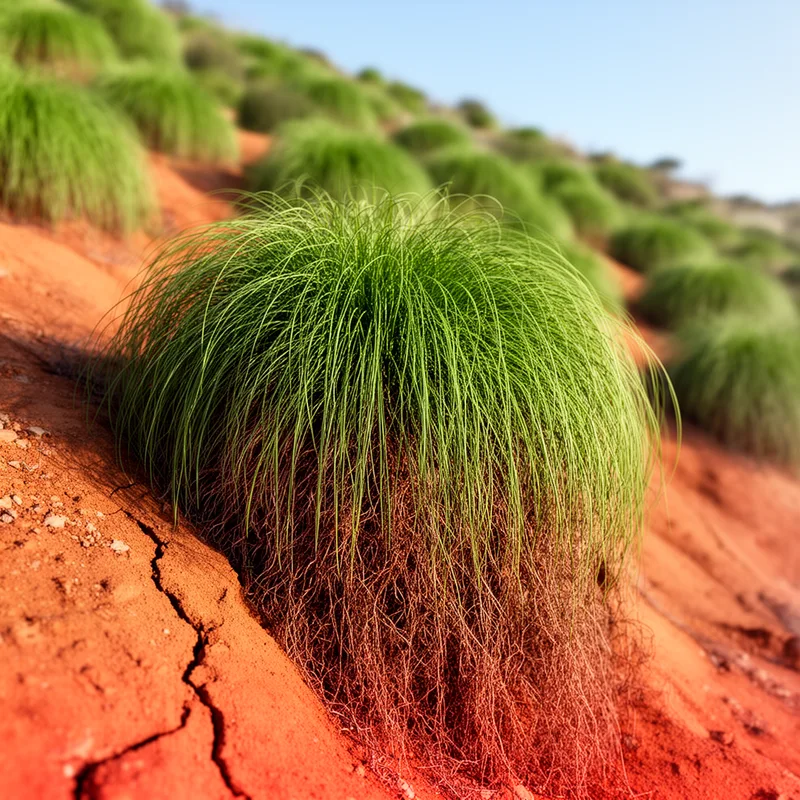
weeping love grass
- noun
- US
- Weeping love grass is favored for land reclamation due to its rapid growth and dense roots.
Examples
-
Farmers in some regions rely on weeping love grass to prevent erosion on steep hillsides.
-
The field was planted with weeping love grass to help stabilize the soil.
-
The garden features beautiful weeping love grass.
-
Many landscapers recommend weeping love grass for its aesthetic appeal.
-
Weeping love grass is favored for land reclamation due to its rapid growth and dense roots.
-
Farmers in some regions rely on weeping love grass to prevent erosion on steep hillsides.
-
The field was planted with weeping love grass to help stabilize the soil.
Synonyms
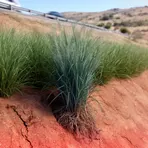
A grass from South Africa that lives for many years and is used to stop soil erosion

A grass from South Africa that grows in clumps and is often planted to stop soil erosion

A grass grown to feed animals and to stop soil from washing away
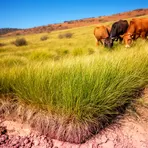
A grass that grows in warm places used to feed animals and stop soil erosion
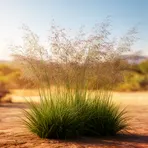
A group of grasses that grow in warm places, often called lovegrass
Surface Forms
Morphology
The noun names a plant and the elements 'weeping' (drooping habit) + 'grass' give a clear clue to its appearance, so part of the meaning is transparently derivable. However, 'love' here is part of the established compound 'lovegrass' and does not contribute its ordinary emotional sense, making the full lexical item partly lexicalized and not fully predictable to a B1 learner.
Etymology
Weeping love grass gets its name from how the plant looks: its many thin stems and small seed heads bend down so they seem to 'weep', and it belongs to a group called love grass. That's why the name fits a tough grass often planted to hold soil and stop erosion.

