
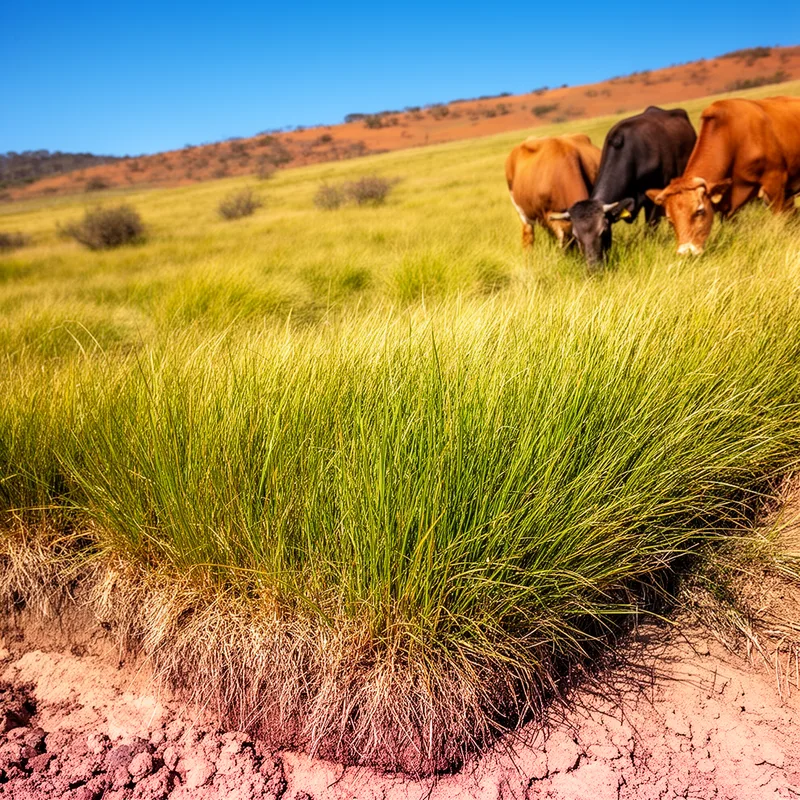
lovegrass
- noun
- /ˈlʌvˌɡræs/
- Specialized
- Farmers often use lovegrass to improve soil health and prevent erosion in warm climates.
Examples
-
In the summer, lovegrass grows tall, providing excellent feed for grazing animals.
-
So Covington and co-workers intensively manage 19 units with different types of vegetation in the 6,600-acre conservation area, providing plants like wild millet, sprangletop, lovegrass, and smart weed.
Academic text (1993) -
Bottom, near left: On a plaza in Cambridge, Massachusetts, tufted lovegrass seems to prefer the gaps between the short sides of bricks.
Academic text (2010) -
The conservation project aimed to restore native plants, including lovegrass, to enhance biodiversity.
Synonyms

A grass grown to feed animals and to stop soil from washing away

A group of grasses that grow in warm places, often called lovegrass
Surface Forms
Morphology
Etymology
The word lovegrass is simply love + grass, where love means 'dear' or 'liked' and grass means 'grass'. A helpful way to remember it is that people 'loved' this hardy, warm-climate grass because it feeds animals and helps stop soil erosion, which is why farmers and parks plant it.

