

weak
 2
6.1
2
6.1

- adjective
- /wiːk/
- Specialized
- In English grammar, weak verbs form their past tense and past participle by adding '-ed'.
- strong and weak verbs
Loading YouTube…
Watch on YouTubeSo any questions about weak verbs before we move on to strong verbs?
- So any questions about weak verbs before we move on to strong verbs?
Examples
-
So any questions about weak verbs before we move on to strong verbs?
-
So all the Ed verbs that we use today are weak class verbs.
-
Replace weak verbs with strong verbs to eliminate the need for adverbs.
Academic text (2004) -
Given these guidelines, two subtests had weak communalities (i.e., Counting Objects and Estimation).
Academic text (2010) -
Simply retelling the Romeo and Juliet story in a conventional setting would have been a weak idea, as would retelling only the story of the Titanic's demise.
Academic text (2011) -
To form the past tense correctly, remember that weak verbs require the '-ed' ending.
-
An example of a weak verb is 'talk', which becomes 'talked' in the past tense.
Idioms

Compounds




- Specialized
2
8.3
A basic interaction in nature that causes some radioactive decay and acts on particles like neutrinos




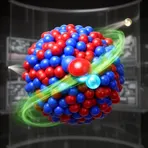
- Specialized
1
8.1
A basic force that makes some tiny particles change and causes some radioactive decay




- Specialized
A scientific idea that explains the weak force that makes some atoms change into other atoms



Surface Forms
Etymology
Weak comes from the old English word wāc, meaning 'pliant' or 'easily bent', and is like other old German words for 'not strong'. So, a weak verb is one that follows the normal, simple pattern (for example, making the past with '-ed') rather than changing strongly.