

wateriness
- noun
- /ˈwɔːtərɪnəs/
- The semantic similarity between 'rough sea' and 'Milky Way' in terms of 'wateriness' and the obstacle (in real life and in the legend explained above) and their dissimilarity (violence in the 'rough sea' and peacefulness in 'the river of heaven') are also foregrounded.
Examples
-
I do so love my brother beyond the bounds of the wateriness of baptismal complacencies.
Blog text (18) -
Signs of cold injury are wateriness, pitting on the outside, and accelerated decay.
Blog text (25) -
I find that the flavor it imparts more than offsets any possible wateriness.
Blog text (24) -
The wateriness of the soup made it difficult to eat without spilling.
-
After the heavy rain, the soil's wateriness caused it to become muddy and unmanageable.
-
The wateriness of the argument left many unconvinced of his point.
Synonyms
 9
1.0
9
1.0

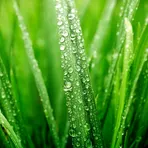
A state of being covered with liquid

A thin, watery quality that lacks strength or richness
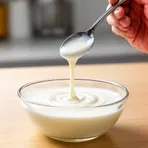
A thin, liquid texture that makes food flow easily

A state of being very wet or full of water that often makes things soft
Antonyms

How Watery

Surface Forms
Morphology
Etymology
Wateriness comes from water and the ending -ness, so it means the 'state' of being 'like water'. That's why we use wateriness for sauces or soils that are thin and full of water, and for ideas or arguments that feel weak or thin.