

washiness
- noun
- /ˈwɔːʃiˌnəs/
- He was disappointed by the washiness of the coffee, which tasted weak and watery.
Examples
-
Critics complained about the washiness of the novel's plot, saying it lacked depth.
-
This soup has a washiness that is unappealing.
-
The washiness of the paint made the colors appear faded on the canvas.
-
What a strange washiness!
-
The washiness of the paint made the colors appear faded on the canvas.
-
He was disappointed by the washiness of the coffee, which tasted weak and watery.
-
This soup has a washiness that is unappealing.
Synonyms

Too much water in something that makes it thin and weak, for example soup or an idea
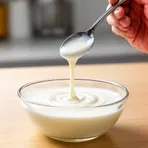
A thin, liquid texture that makes food flow easily

Being watery and not thick, for example a weak sauce
Antonyms



How Watery

Surface Forms
Morphology
Etymology
Washiness comes from the verb wash and the ending -ness, giving the image of something 'washed' until it is thin. So washiness means being 'watery' or lacking richness, like weak coffee or a thin sauce.