
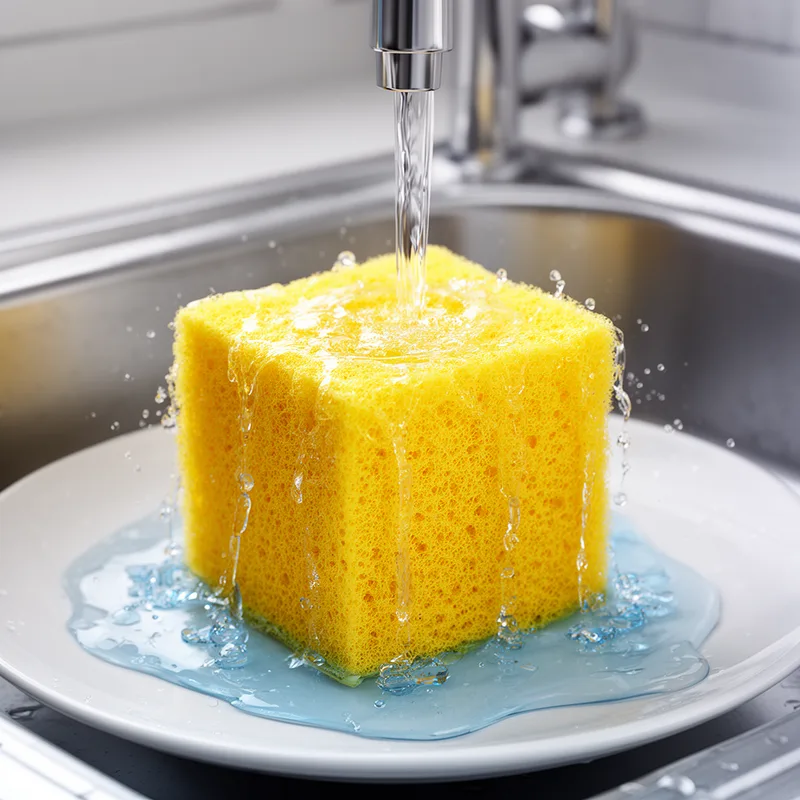
saturation
 4
4.7
4
4.7

- noun
- /ˌsætʃəˈreɪʃən/
- The sponge was filled to saturation, unable to absorb any more liquid.
- oxygen saturation
- soil saturation
- water saturation
Loading YouTube…
Watch on YouTubeEventually you come to the saturation point and then cloud liquid water begins to form.
- Eventually you come to the saturation point and then cloud liquid water begins to form.
Examples
-
Eventually you come to the saturation point and then cloud liquid water begins to form.
-
During the week leading up to Earth Day, the media gave saturation coverage to environmental subjects.
Academic text (1990) -
Clouds, regions of complete saturation, are visible as white features.
Academic text (2012) -
Soil water saturation was determined in every phase of the measurement during this treatment.
Academic text (2013) -
On the leather, there lies the dampness and saturation of the soil.
Academic text (2002) -
The principal impacts of Dennis in the Cape Fear basin were attributable to heavy rainfall and saturation of the ground.
Academic text (2002) -
Soil plots there reached saturation: Plot BG1 was completely ponded, so runoff was 100 percent of the rainfall.
Academic text (2002) -
After heavy rain, the ground reached saturation, and water pooled on the surface.
-
In the painting, the artist aimed for color saturation to create a vibrant effect.
Synonyms
 5
4.4
5
4.4
Being completely covered by a liquid like water
 3
4.9
3
4.9
Putting a lot of water on something so it becomes very wet
 1
3.3
1
3.3
A heavy soaking that makes a person or thing completely wet
 1
5.7
1
5.7
The point where a liquid or gas can no longer dissolve more substance


 1
3.5
1
3.5
The amount of water a material takes in, shown by weight gain after soaking
 1
9.2
1
9.2
A slow spread of color, light, or feeling through something
The process of soaking a material with another substance to change or protect it
Antonyms
Compounds
- Specialized
1
5.7
The point where a liquid or gas can no longer dissolve more substance


- Specialized
The point where a camera sensor or screen cannot record brighter colors and loses detail
How Wet

Surface Forms
Morphology
Etymology
Saturation comes from the Latin saturare meaning 'to fill' and satur meaning 'full'. Think of sate or satisfy, which mean to make something full, so when soil is saturated it is full of water and cannot hold more.