

to vagabond


 1
9.9
1
9.9
- verb
- /ˈvæɡəˌbɑnd/
- Archaic
- During the summer, they would take time off work to spend weeks vagabonding along the coast, living day by day.
Examples
-
Now, get off my property, you vagabond, before I set the dogs on you, you hear?
-
Come along, you vagabond.
-
Amsterdam was filled with young Americans, Canadians, and Australians vagabonding around Europe on $10 a day (or at least that's what the guidebook's title said it could be done for).
Blog text (8) -
In the early days, he spent his youth vagabonding from one city to another, always searching for new adventures.
-
She often found herself vagabonding through the countryside, exploring hidden trails and enjoying the beauty of nature.
Synonyms
 379
1.3
379
1.3
Move around without a fixed direction, often slowly and in curves
 331
2.9
331
2.9
To move slowly without a clear direction, for example when air or water move something
 189
2.5
189
2.5
Move around without a fixed place, often while looking for something
 100
2.0
100
2.0
To move from place to place without a fixed home or plan
 70
2.8
70
2.8
To move away from the correct place or path and wander
 25
3.3
25
3.3
To move or travel freely over an area
 22
6.4
22
6.4
To travel around without a fixed plan, often looking for something
 17
5.5
17
5.5
To walk with heavy steps, often over rough ground
 14
4.4
14
4.4
To walk for pleasure without a fixed route
 11
8.4
11
8.4
To roam around for pleasure without a clear plan
 3
9.0
3
9.0
To move around places for pleasure without a plan
 3
7.9
3
7.9
To move around in a relaxed, aimless way without a fixed plan
 1
9.7
1
9.7
To walk around without a clear destination for pleasure
 1
9.9
1
9.9
Move around without a clear plan or purpose

Walk around slowly without a plan
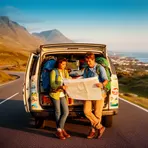
To travel from place to place in a free, adventurous way
Antonyms

How Aimless
- Archaic
1
9.9
 189
2.5
379
1.3
27
5.3
122
1.8
∞
1.0
189
2.5
379
1.3
27
5.3
122
1.8
∞
1.0
Surface Forms
Etymology
Vagabond as a verb (old use) comes from the Latin vagari 'to wander'. A helpful way to remember it is that to vagabond was to move about aimlessly, often looking for work or food.