
uncurrent
- adjective
- /ʌnˈkɜːrənt/
- Specialized
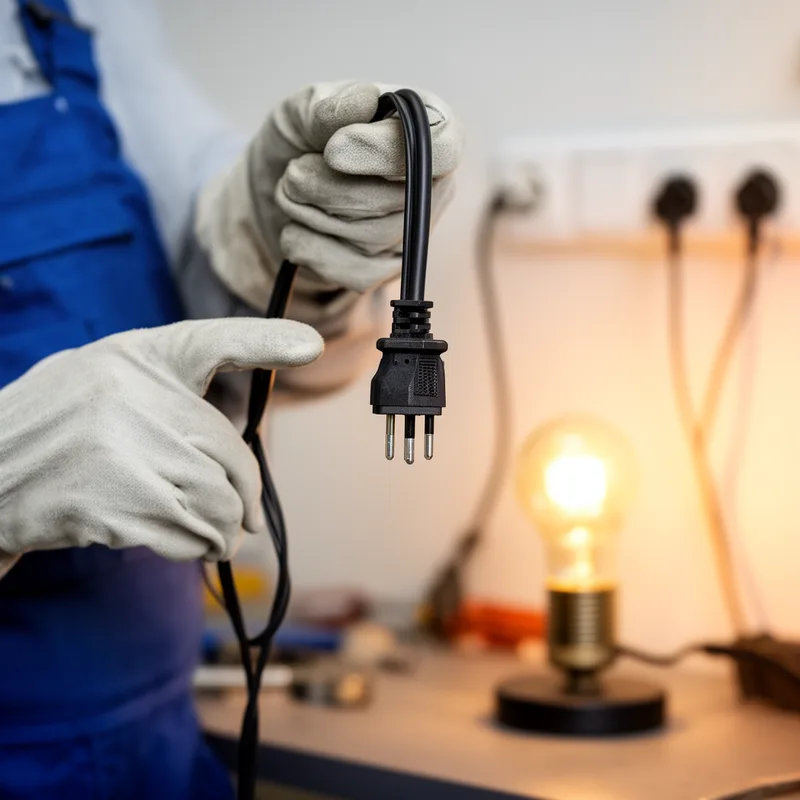
- The engineer confirmed that the wire was uncurrent before handling it for repairs.
Examples
-
Always check if a device is uncurrent to avoid the risk of electric shock.
-
The old lamp remained uncurrent even after replacing the bulb.
-
This battery is uncurrent.
-
The wires in this old house are uncurrent.
-
The engineer confirmed that the wire was uncurrent before handling it for repairs.
-
Always check if a device is uncurrent to avoid the risk of electric shock.
-
The wires in this old house are uncurrent and need to be replaced.
Synonyms

Not allowing electricity, heat, or sound to pass through

Not able to let heat, electricity or sound pass through

Not able to carry heat, electricity, or sound

Without anything that carries electricity or heat
How Conductive


Surface Forms
Morphology
Etymology
Uncurrent is built from un- 'not' and current, with current originally meaning a 'flow' or 'running' (think of a river). So uncurrent means 'not flowing' and is used for wires or devices that do not carry electric power.