

uncurrent


 1
9.9
1
9.9
- adjective
- /ʌnˈkɜːrənt/
- Archaic
- The bank refused to accept uncurrent bills.
Examples
-
The fashion magazine avoids featuring uncurrent trends from past decades.
-
Many uncurrent coins are now collectibles.
-
The museum displayed several uncurrent coins that are no longer accepted as money.
-
His views on technology are considered uncurrent by most of his colleagues.
-
The store refused to accept the uncurrent bills, claiming they were outdated.
-
Because of its uncurrent status, the old currency cannot be exchanged at the bank.
-
Many collectors seek out the rare coins, even though they are uncurrent and no longer used.
Synonyms
 1
7.4
1
7.4
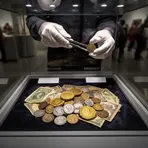
Money that people no longer use to pay for things

Money or coins not legally accepted as payment
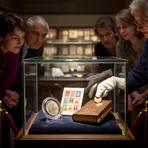
Not in general use and kept for collectors

You cannot use it to buy things or pay for them

Paper money not able to be exchanged for coins or gold

Not used now, for example an asset not usable within one year or old information
Antonyms
How Current

Surface Forms
Morphology
Etymology
Uncurrent is built from un- 'not' and current, where current comes from an old word meaning 'to run' and was used for things that flow, like money that goes around a country (see currency). So uncurrent means money or ideas that no longer 'flow' or are 'in use' and are not accepted.