

to umpire
 2
3.4
2
3.4

- verb
- /ˈʌmˌpaɪər/
- At 11 a.m., the First XI would start that week's cricket fixture, umpired by Gilkes himself and watched by the whole school.
- umpire a game
- intention to umpire
- quit umpiring
Examples
-
I have an uncle in Los Angeles who umpires semi-pro baseball games on the weekends.
Fiction book (1996) -
On Sundays, he umpired baseball games.
Fiction book (1998) -
I'm trying to get him to umpire the game.
-
I had to do community service to earn my service merit badge, so I volunteered to umpire some Little League games.
Blog text (9) -
36 Guyon also umpired in the Empire State League in Georgia in 1913.
Academic text (2000) -
From Cleveland, TN, Guyon rode the train to Bristol, and then to Johnson City, in the northeast corner of the state, to umpire two more series that July.
Academic text (2000) -
The fourth section of the survey was a 3-item scale designed to assess participants' intentions to continue umpiring or quit umpiring at the conclusion of that season (e.g., "How likely is it that you will umpire again next year?").
Academic text (1995) -
He was asked to umpire the football match this Saturday.
-
It is important to umpire fairly to ensure a good game.
-
She decided to umpire after completing her referee training.
Synonyms
 117
2.3
117
2.3
To decide the winner in a contest or event
 9
3.2
9
3.2
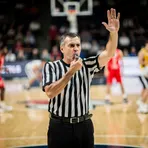
To act as the official who makes sure players follow the rules in a game
 5
6.8
5
6.8
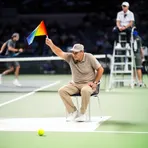
To act as the official who makes sure players follow the rules in a sports game
Compounds
Surface Forms
Etymology
The word umpire as a verb comes from the same old French parts non- and par, meaning 'not' and 'equal'. A helpful way to remember it is that an umpire was an outside, neutral judge, so to 'umpire' is to act as that fair judge and make decisions in a game.