
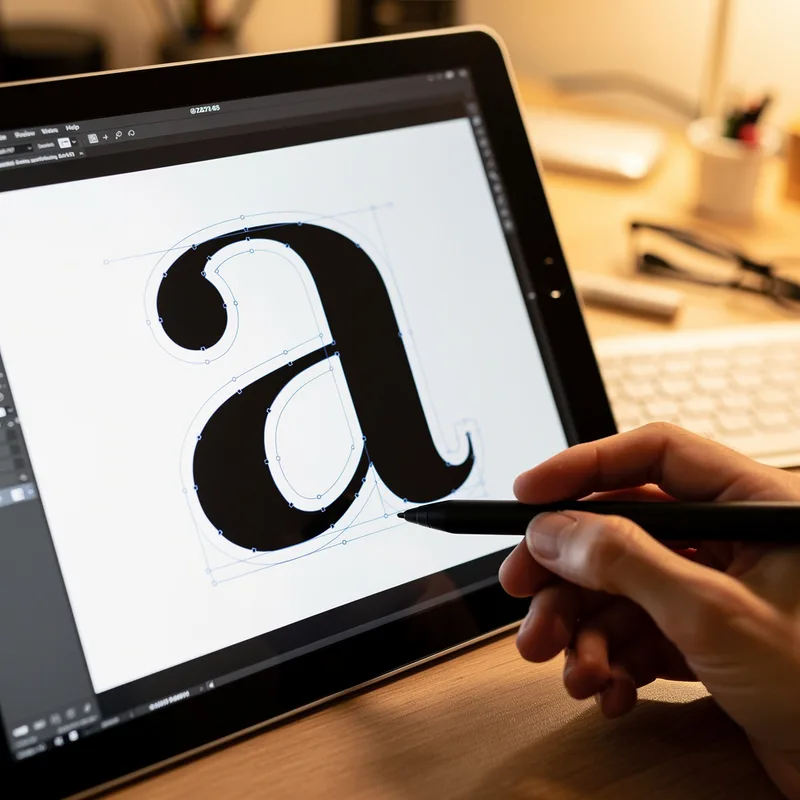
typeface
 10
4.1
10
4.1

- noun
- /ˈtaɪpˌfeɪs/
- Specialized
- The designer chose a modern typeface that improved the readability of the website.
- typeface characteristics
- legibility of typefaces
- serif typefaces
Loading YouTube…
Watch on YouTubeEvery good designer doesn't use more than a few typefaces.
- Every good designer doesn't use more than a few typefaces.
- Like it has a modern sensibility in its typeface and in the types of photographs and the manner in which they're laid out.
- Just literally just the language of it, the typeface of it.
Examples
-
Like it has a modern sensibility in its typeface and in the types of photographs and the manner in which they're laid out.
-
For a summary of the distinctions between old-style and modern typefaces, see De Vinne, Practice 188-90.
Academic text (2017) -
A typeface specifically designed to make the very act of reading more natural.
-
Each word has been cut from a different page and is in a different typeface.
Fiction book (1992) -
I liked the gothic typeface on the name "Sunset View."
Academic text (2007) -
The Three is printed on the cover in some dramatic bold typeface.
Fiction book (2002) -
Some analysts outside CBS... ...say they believe the typeface on these memos is New Times Roman... ...which they claim was not available in the 1970s.
-
Its primary products are the typefaces that give computer printouts an analog look.
Academic text (2000) -
The size corresponds with a Venetian octavo, and the typeface is an Italian one.
-
Submit original line art, prepared in the required journal format, using the Helios Condensed typeface or the equivalent.
Academic text (2012)
Synonyms
 549
3.7
549
3.7
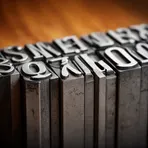
The letters or characters used in printing, like those on a page
 94
2.8
94
2.8
A design for letters and numbers used in printing or on screens
 45
7.8
45
7.8
A style of letters used in printing and on screens
 6
7.7
6
7.7
A font without small lines at the ends of letters like Arial
 2
3.9
2
3.9
A font with letters that have no small lines at the ends

 1
6.1
1
6.1
An upright letter style with small lines at the ends used for printed text like in books
 1
5.3
1
5.3
Upright letters used for normal printed text in books, not slanted like italics
 1
4.1
1
4.1
A style of letters with straight lines and simple shapes used in ancient Rome
 1
9.0
1
9.0
A heavy dark printed letter style used in old European books

A set of letters and symbols in one size and style

The style of letters shown on a computer or phone screen
Upright printed letters used for normal text in books and newspapers

A style of printed letters with small lines on the ends, used in books and magazines
A font where letters and symbols have different widths

A style of text where every letter takes the same amount of space

A print style where each letter takes the same space, like an old typewriter

A set of letters stored on a small cartridge you put into a printer to print in a new style
How Readable

Surface Forms
Morphology
Etymology
The word typeface comes from type, meaning 'a printed letter', and face, meaning 'appearance'. So a typeface is the 'face' or look of letters, the design used in printing and on screens.