
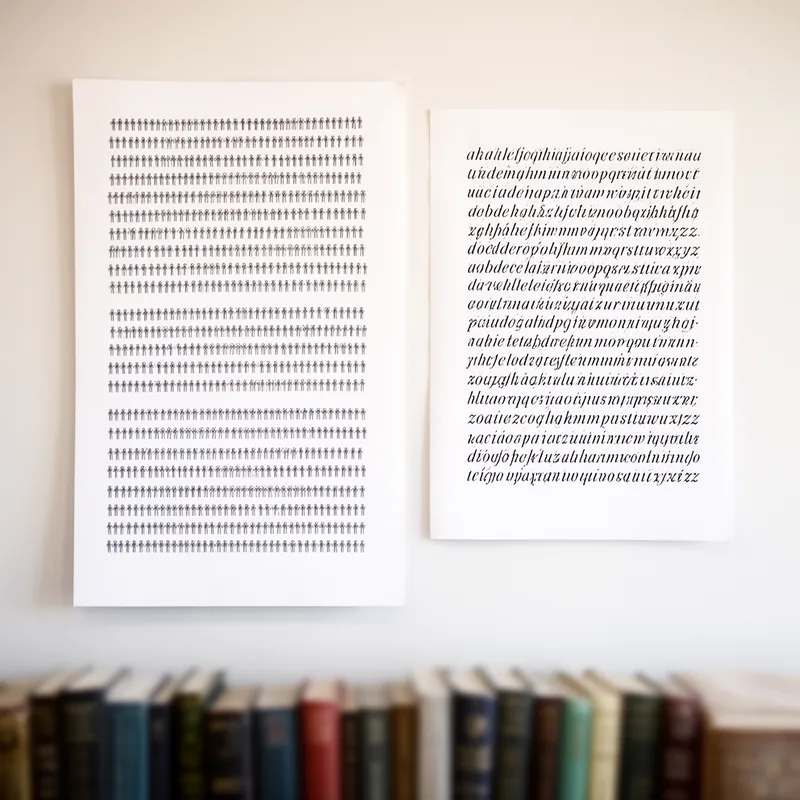
roman type


 1
5.3
1
5.3
- noun
- /ˈroʊmən taɪp/
- Specialized
- For clarity, please ensure that all titles are written in roman type instead of italics.
Examples
-
His words are in Roman type, and the Rhemish text is in italics.
Academic text (2006) -
An iron helmet of the late Roman type, likely sporting a crest or horse-tail, protected their heads.
Blog text (15) -
He is probably right, but that volume was printed in Roman type, not black letter.
Blog text (4) -
Although likely never completed, the Triconch Palace was an impressive country villa of a common Late Roman type with a private marina and views across the Vivari Channel.
Academic text (2006) -
He is the author of "Transitional Faces," a forthcoming biography of Richard Austin, cutter of the Bell and Scotch Roman types, and his son Richard T. Austin, a wood engraver.
Blog text (19) -
The document was printed in roman type, making it easy to read and professional-looking.
-
The book features illustrations that complement the text printed in roman type on each page.
Synonyms
 1
6.1
1
6.1
An upright letter style with small lines at the ends used for printed text like in books
 1
4.1
1
4.1
A style of letters with straight lines and simple shapes used in ancient Rome
Upright printed letters used for normal text in books and newspapers
Surface Forms
Morphology
The phrase is a simple adjective+noun composition where 'Roman' describes a style and 'type' denotes printed letters, so a learner who knows both words can infer it means a style of type associated with Roman/ upright letterforms. While detailed typographic features (serifs vs. italic) are specialist, the core meaning is directly derivable from the constituents and is cross-linguistically transparent.
Etymology
The noun roman type comes from the clear, upright letters carved on stone in ancient Rome. The word roman means 'from Rome' and type means 'letter'. Early printers copied those easy-to-read shapes for books, so roman type now means the 'upright' letters used for the main text.