
trochlear


 1
9.9
1
9.9
- noun
- /ˈtrɒkliər/
- Specialized
- Olfactory, optic, oculomotor, trochlear, trig... look it's a mnemonic for the cranial nerves.
Examples
-
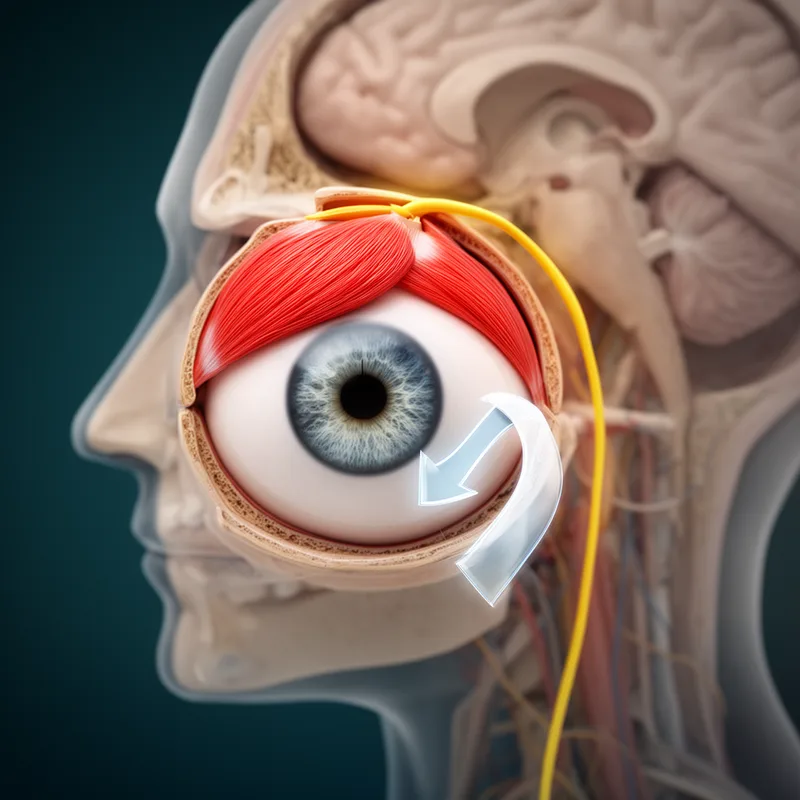
The trochlear nerve is responsible for controlling the movement of the superior oblique muscle of the eye.
-
The oculomotor, the trochlear, the glossopharyngeal, and...
-
As knee flexion increases, the patella sits in the trochlear groove more securely and, thereby, is less affected by either external or internal tibial rotation.
Academic text (2001) -
During the medical exam, the doctor assessed the function of the trochlear nerve to ensure proper eye movement.
-
In anatomy class, we learned that the trochlear nerve is one of the cranial nerves involved in eye muscle control.
Synonyms
A nerve in the head that controls the top slanted eye muscle and helps you look down

A part of the body that controls an eye muscle to move the eye down and to the side

A nerve that controls a top eye muscle and helps the eye look down
Compounds
- Specialized
A part of the body that controls an eye muscle to move the eye down and to the side
Surface Forms
Morphology
Etymology
Trochlear comes from the old word trochlea meaning 'pulley', which is a helpful image because the trochlear nerve controls a tiny eye muscle that acts like a pulley to turn the eye, so the name explains its job.