
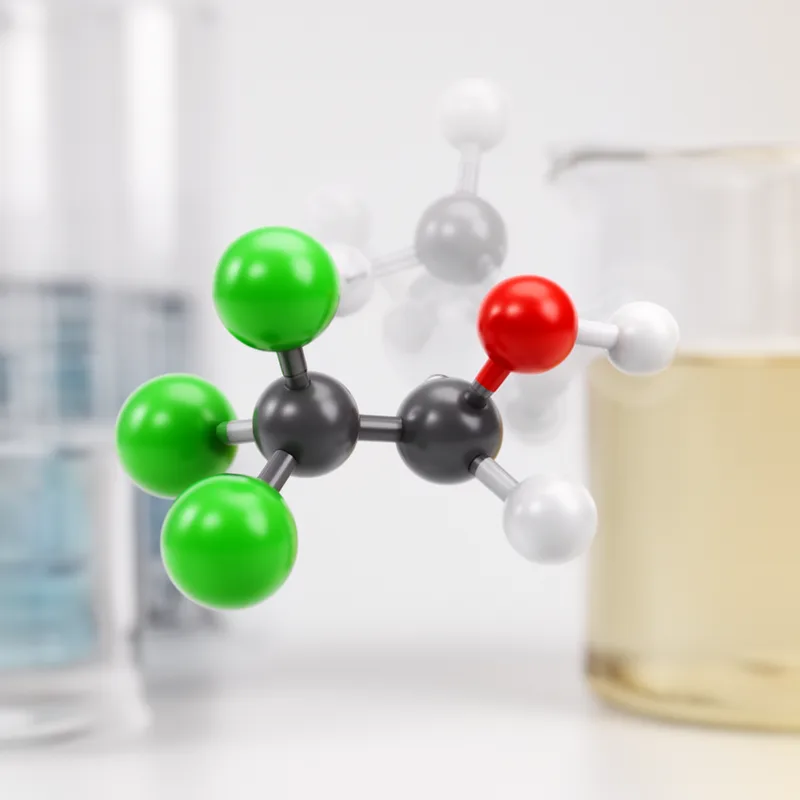
trichloroacetic


 1
9.9
- adjective
- /ˌtraɪklɔːrəˈoʊˌæsɪtɪk/
- Specialized
- During a cosmetic procedure, the dermatologist applies a trichloroacetic solution to help rejuvenate the skin's appearance.
- trichloroacetic acid
Examples
-
I use a microswab dipped in 85% trichloroacetic acid to cauterize the edges of the perforation until the margin of the perforation turns white.
Academic text (2006) -
Derivatized proteins were precipitated with trichloroacetic acid and washed three times with acetone.
Academic text (2018) -
The authors suggested that 25% trichloroacetic acid might be beneficial in promoting healing; a large randomized clinical trial is needed.
Academic text (2006) -
The reaction was terminated by adding 7.0 ml of ice-cold 5% trichloroacetic acid (TCA).
Academic text (1993) -
There are four main skins that are used today: alpha-hydroxy acids, beta hydroxy acids, phenols, and trichloroacetic acid (TCA).
Blog text (20) -
The laboratory used trichloroacetic acid to precipitate proteins from the solution during the experiment.
-
For effective treatment of warts, doctors often recommend using a trichloroacetic acid solution in their procedures.
Compounds
- Specialized
1
7.8
A very strong chemical used in labs to remove proteins and treat skin
Surface Forms
Morphology
Etymology
Trichloroacetic breaks into three parts: tri- meaning 'three', chloro- meaning 'chlorine', and acetic meaning 'vinegar' or 'acetic acid'. So trichloroacetic describes an acetic acid part with three chlorine atoms attached, which explains its chemical meaning.