

to transmit
 84
3.9
84
3.9

- verb
- /trænzˈmɪt/
- So basically these amplify sounds so we can hear very soft sounds and these then transmit information to the brain.
- transmit light
- reflected or transmitted
- transmit electricity
Loading YouTube…
Watch on YouTubeIt's like radio, except you don't want to transmit the sound signal, but the energy.
- It's like radio, except you don't want to transmit the sound signal, but the energy.
- So which is the micro fine needle going into the skin, but these needles, they transmit energy into the skin so they can tighten and lift.
Examples
-
And sound is pressure waves that transmit through a medium.
-
Actually, this one is transmitting only the green light.
-
We need to transmit through structures that do not block the sound.
-
I think it's clear that it's transmitted through the air.
-
It's like radio, except you don't want to transmit the sound signal, but the energy.
-
Images and messages we receive and transmit are profoundly shaped by our culture.
Academic text (2013) -
It transmits your location to a satellite which can be read by only this computer.
-
The robotic spacecraft will investigate and transmit to Earth information about the Martian landscape and atmosphere.
Academic text (1992) -
The scientists were able to transmit the data from the remote sensors back to the control center.
-
This device can transmit audio signals without any cables, making it very convenient.
Synonyms
 602
3.2
602
3.2
Show a program to many people on radio or television
 346
3.7
346
3.7
To send a television or radio show to many people
 325
2.0
325
2.0
Send sound or information from one place to another
 199
3.4
199
3.4
To send information, ideas, or feelings to someone
 134
2.7
134
2.7
To give something to another person, often information or a message
 130
4.4
130
4.4
To direct feelings, energy, or money toward a goal
 102
3.5
102
3.5
To receive and then pass on a message or signal
 91
4.4
91
4.4
Send out light, heat, sound or gas
 76
2.5
76
2.5
Give news, a message, or something you received to another person
 18
5.1
18
5.1
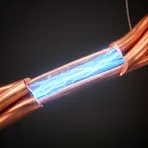
To allow heat or electricity to pass through something
 8
2.9
8
2.9
To send out light, heat, sound or a smell
 5
7.0
5
7.0
Travel through a material, for example sound or light
 2
3.4
2
3.4
Pass a disease from one person or animal to another
 1
5.5
1
5.5
To send out a sound, light, or smell
Antonyms

How Well

Surface Forms
Morphology
transmit = trans + mit
The prefix 'trans-' suggests movement across/through, but 'mit' is a bound root rather than a standalone English word, making full inference from parts uncertain for learners.
Etymology
The word transmit comes from the Latin parts trans- 'across' and mittere 'to send', which makes it easy to picture. That's why we say a wire, water, or wall can transmit energy or sound — they 'send across' those things from one place to another.