
to conduct
 18
5.1
18
5.1

- verb
- /kənˈdʌkt/
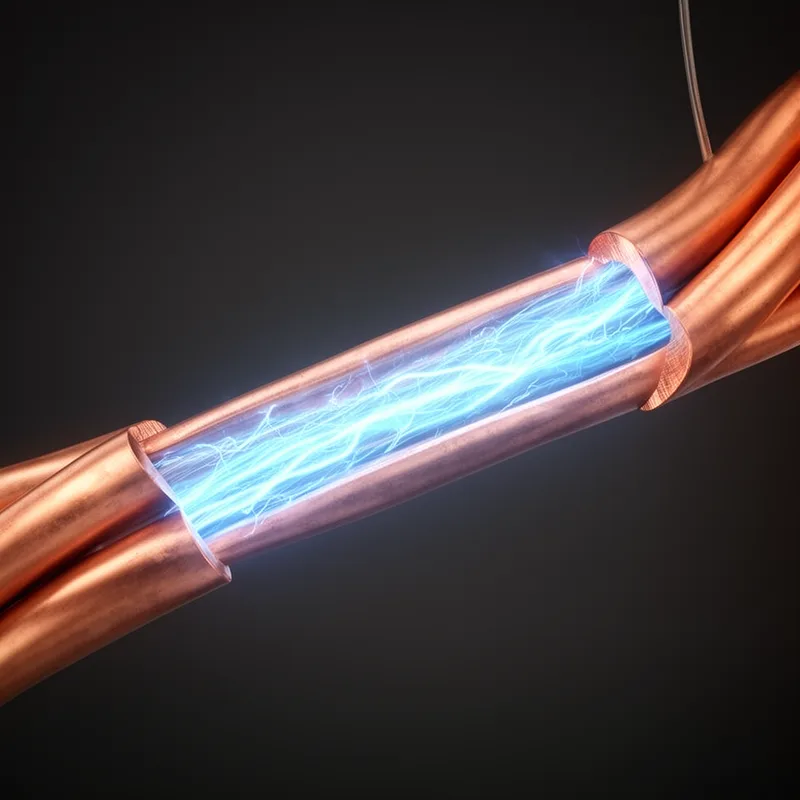
- Copper wires can conduct electricity efficiently throughout the circuit.
- conduct electricity
- conduct heat
- wires conduct electricity
Loading YouTube…
Watch on YouTubeSo potassium is vital for nerves to conduct efficiently.
- So potassium is vital for nerves to conduct efficiently.
- And what he found was that for the first time he showed that that solids as well as liquids can conduct ions.
- And metals are really, really good at conducting heat.
- I knew how to build a wilderness camp in South Africa using mica and how it would not conduct the heat.
Examples
-
The sensor is placed on the outside of steel- or glass-walled vessels, which can conduct sound.
Academic text (2002) -
The problem is, is that glass doesn't conduct heat super well and so different parts will cool off at different rates.
-
Without it, the nerves cannot conduct an impulse.
-
The walls in our apartment building conducted rather than absorbed sound.
Fiction book (1996) -
If you have warm air, that'll conduct heat into the ocean.
-
So the humid conditions must be conducting the sound.
-
And it makes sense, because steam being a gas, conducts heat less rapidly than the water itself does.
-
Copper can conduct an electrical field like the one in our colliders.
-
So potassium is vital for nerves to conduct efficiently.
-
As ice thickens, it both becomes mechanically stronger and conducts less heat.
Academic text (2011)
Synonyms
 325
2.0
325
2.0
Send sound or information from one place to another
 84
3.9
84
3.9
To let sound, light, or energy pass through something
 3
3.6
3
3.6
Let electricity flow through a material
Phrasal Verbs
Compounds



- Formal
1
8.0
An official paper that lets a person travel safely through a dangerous area



How Conductive

Surface Forms
Etymology
Conduct comes from the Latin root ducere 'to lead' and is related to the word duct (a channel). So to conduct electricity or heat is to let it be 'led' or carried through a material.