
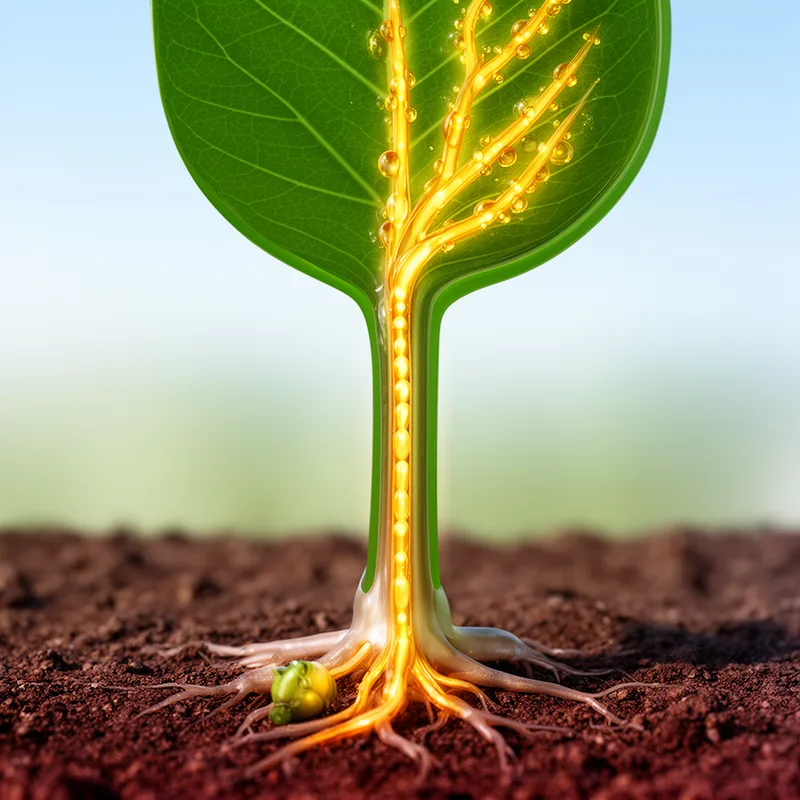
translocation
 1
8.6

- noun
- /ˌtrænzlōˈkeɪʃən/
- Specialized
- So for unfolding and translocation, ATP is needed.
Examples
-
The process of translocation helps ensure that all parts of the plant receive the necessary dissolved substances.
-
Balanced growth, in turn, reduces the translocation of fixed carbon to the host.
Academic text (1993) -
During nuclear translocation, various molecules have been identified that facilitate completion of the process.
Academic text (2018) -
Hagerdon credits their recovery to artificial cavity/nest drilling and translocation of juvenile birds, as well as to good ecosystem management.
Academic text (2008) -
Other species, termed generalists, are more broadly adapted and more tolerant of translocation (Rehfeldt 1994).
Academic text (2013) -
In 1984, the Wildcard Members Development embarked on a policy of translocation of Black Rhinos into specially protected areas, which now come under the general heading of "Sanctuaries."
Academic text (2003) -
Although this strategy may be appealing at first glance, animal translocation has a checkered history of success, especially for reptiles and amphibians (Germano and Bishop 2008, CBI 2010).
Academic text (2011) -
Translocation occurs in plants when translocation nutrients are moved through the phloem from the leaves to the roots.
-
During translocation, sugars produced in the leaves are transported to areas of growth and storage in the plant.
How Much

Surface Forms
Morphology
translocation = translocate (semi-transparent) = trans + locate + ion
The process of forming a noun from 'translocate' is clear, but the specialized meaning in plant biology may not be immediately obvious.
Etymology
Translocation comes from the parts trans- ('across') and locate ('place'). In plants it means moving sugars and other dissolved materials 'across' the plant from one place to another, so thinking of things being carried 'across places' helps you remember the meaning.