

to the windward
- idiom
- Specialized
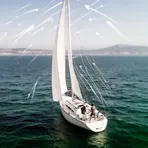
- The boat sailed to the windward side of the island.
Examples
-
We should head to the windward for better wind.
-
During the storm, we moved to the windward side of the island to avoid the worst of the waves.
-
The fishing boat drifted to the windward during the night.
-
The sailors moved to the windward to gain an advantage in the race.
-
We anchored to the windward of the island to avoid the strong current.
-
The sailors adjusted the sails as they turned to the windward side of the boat.
-
The captain ordered the crew to steer the ship towards the windward direction for better sail control.
Synonyms

 7
3.7
7
3.7

Moving toward where the wind comes from
 1
3.5
1
3.5
In the direction the wind comes from

 1
9.9
1
9.9
Sailing with the boat pointed almost into the wind to go as directly toward it as possible

Toward the direction the wind comes from
Antonyms

Surface Forms
Morphology
to + the + windward
The meaning is directly derivable from the directional pattern 'to the' combined with 'windward' (wind + -ward = toward the wind); together they yield a clear locative/directional meaning. This follows a standard English compositional pattern and has close parallels in many languages, so a B1 learner who knows the constituents should understand it.
Etymology
To the windward comes from sailors who watched the wind. A boat to the windward moves toward the windward side, the side the wind comes from, so the wind hits it first, and that's why the phrase means 'in the direction from which the wind is blowing'.