

tapestry moth
- noun
- /ˈtæpəstri mɔθ/
- We discovered several tapestry moth larvae in the old carpet.
Examples
-
Proper storage can prevent a tapestry moth infestation in your home.
-
The tapestry moths were eating the old carpets.
-
A professional exterminator was called to deal with the tapestry moth problem.
-
I found a tapestry moth in the attic.
-
The tapestry moth can cause significant damage to woolen fabrics if left untreated.
-
We found a tapestry moth larva crawling on the antique rug in the living room.
-
To protect your clothing, it's essential to check for tapestry moth infestation regularly.
Synonyms
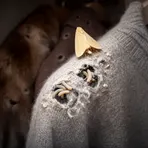
A small moth whose caterpillars eat and make holes in wool and fur
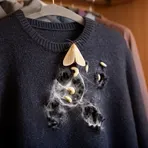
A small pale insect whose young make webs and eat clothes

A small moth whose caterpillars eat carpets and other wool items

A small moth whose young eat wool carpets and make holes
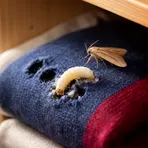
A small insect whose young eat wool and make holes in clothes
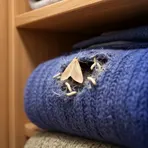
A small moth whose caterpillars eat wool and cloth made from animals

A group of small moths whose caterpillars eat natural fibers like wool and clothing
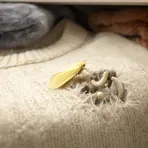
A small yellowish moth whose caterpillars eat wool, fur and other animal fibers
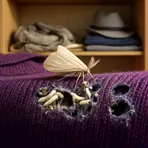
A small moth whose young eat wool and other fabrics

A small moth whose larvae live in silk tubes and eat cloth made from natural fibers

A small moth whose young caterpillars live in little tubes and eat fabrics
Surface Forms
Morphology
The compound is compositionally transparent: 'tapestry' modifies 'moth' to indicate a moth associated with or feeding on tapestries/household fabrics. This noun+noun modifier pattern is regular and cross-linguistically common, so a B1 learner who knows 'tapestry' and 'moth' can readily infer the meaning.
Etymology
Tapestry moth comes from the fact that the moth's caterpillars often eat old tapestry and carpets. The picture of a small moth making holes in woven cloth helps you remember it means a moth whose young 'damage' woolen household fabrics.

