

Tineola
- noun
- /taɪˈniːələ/
- Specialized
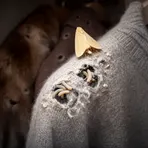
- The larvae of Tineola can cause severe damage to stored woolen garments.
Examples
-
The Tineola moth is known for damaging woolen clothes.
-
Proper storage techniques can help keep Tineola away from valuable textiles.
-
Pest control experts often identify Tineola as the culprit when dealing with wardrobe infestations.
-
Have you ever seen a Tineola in your closet?
-
Pest control experts often identify Tineola as the culprit when dealing with wardrobe infestations.
-
Proper storage techniques can help keep Tineola away from valuable textiles.
-
The larvae of Tineola can cause severe damage to stored woolen garments.
Synonyms
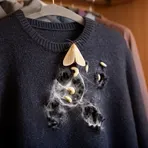
A small pale insect whose young make webs and eat clothes
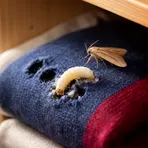
A small insect whose young eat wool and make holes in clothes

A small moth whose young caterpillars live in little tubes and eat fabrics

A small moth whose young eat wool carpets and make holes

A small moth whose young eat carpets and other wool items

A small moth whose caterpillars eat carpets and other wool items

A group of small moths whose caterpillars eat natural fibers like wool and clothing

A group of small moths that includes common clothes moths that eat natural fibres
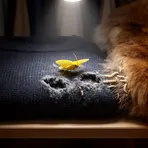
A small yellow moth whose caterpillars eat wool, fur, and other animal products
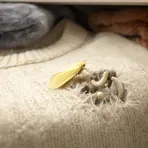
A small yellowish moth whose caterpillars eat wool, fur and other animal fibers
Compounds
- Specialized
A small moth whose caterpillars eat and make holes in wool and fur
Surface Forms
Etymology
The word Tineola comes from the Latin tinea, meaning 'moth' or 'worm', plus the small ending -ola meaning 'small'. So Tineola literally means a 'little moth', which fits these tiny clothes moths whose larvae eat wool and other animal fibres.

