

symbiote
 5
9.2
5
9.2

- noun
- /ˈsɪm.bi.oʊt/
- Specialized
- Some symbiotes can be harmful to their hosts.
- symbiote releases
Examples
-
The symbiote thrives within its host.
-
The doctor explained that the symbiote was causing the patient's symptoms by weakening their immune system.
-
Scientists studied the symbiote to understand how it interacted with its host organism.
-
Removing the symbiote from the animal improved its health significantly.
-
The symbiote attached itself to the host, providing nutrients while taking resources in return.
-
Researchers studied how the symbiote affected the health of its host organism.
-
In nature, many species form a relationship where one symbiote benefits at the expense of another.
Synonyms
 111
4.2
111
4.2
A living thing that lives on or inside another living thing and takes food from it

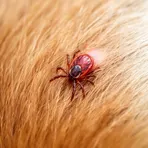
A small animal like fleas and ticks that lives on another animal and feeds on its blood or skin

An animal that lives on another animal's body and feeds on it, like a flea or tick
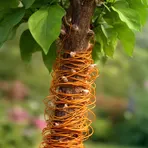
A plant that lives on another plant and takes its food from it
How Harmful

Surface Forms
Morphology
symbiote = symbiont (semi-transparent) = symbio + te
Morphologically the word points to 'living together' (symbio-), but the harmful/parasitic nuance in this sense is not signaled by form and relies on usage/context.
Etymology
The word symbiote comes from Greek parts sym- ('together') and bio ('life'), the same 'bio' in biology. But sometimes a symbiote lives on or in another living thing and takes from its host, so it helps itself but can harm the partner.