
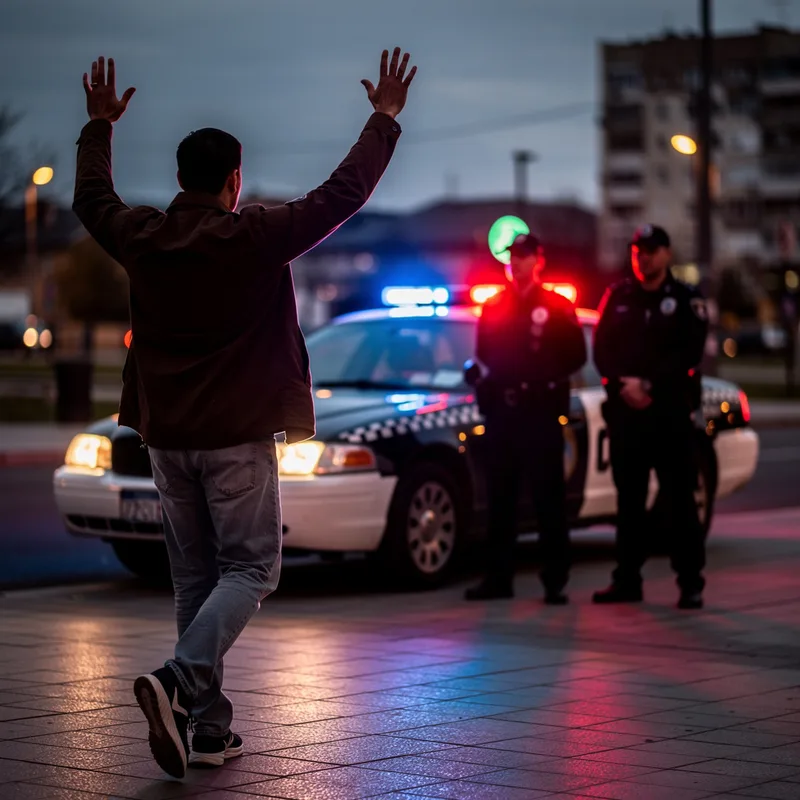
surrender
 21
4.8
21
4.8

- noun
- /səˈrɛndər/
- Formal
- The suspect's quick surrender to the police helped avoid a dangerous standoff.
- accepting the surrender
- Germany's surrender
Examples
-
The surrender of Geronimo was no small event.
-
The ship was able to dock at a port in Japan only three weeks after Japan's surrender to the Allies.
Fiction book (2001) -
Do you have conditions for total surrender?
-
It's an extremely important moment and event, and the terms of that surrender are extremely important for what's to come.
-
James King, exit the building and surrender to custody immediately.
-
They accepted the surrender of the city.
-
Well, he single-handedly negotiated the surrender of the eighth German army.
-
By August 1945, it was obvious that Japan's only future was surrender.
Fiction book (2001) -
World War II ended in 1945, with Germany's surrender on May 7, 1945, and Japan's surrender on August 15, 1945.
Academic text (2017) -
Chamberlain is an important figure; he fought and was wounded at Gettysburg, and he accepted the surrender at Appomattox.
Academic text (2006)
Synonyms
 34
5.4
34
5.4
Holding someone after the police arrest them
 9
8.8
9
8.8
Handing a person to another country to face trial
 5
8.3
5
8.3
Giving up in a fight or war under agreed terms
Compounds

- Specialized
The amount an insurance company pays you when you cancel a life insurance policy early

A rude, insulting name for people from France that calls them cowardly
How Official

Surface Forms
Etymology
Surrender comes from parts meaning 'over' (sur-) and 'give back' (render), so it originally meant to 'hand over' something to another. That is why a surrender can mean formally delivering a person to the police or to another authority.