
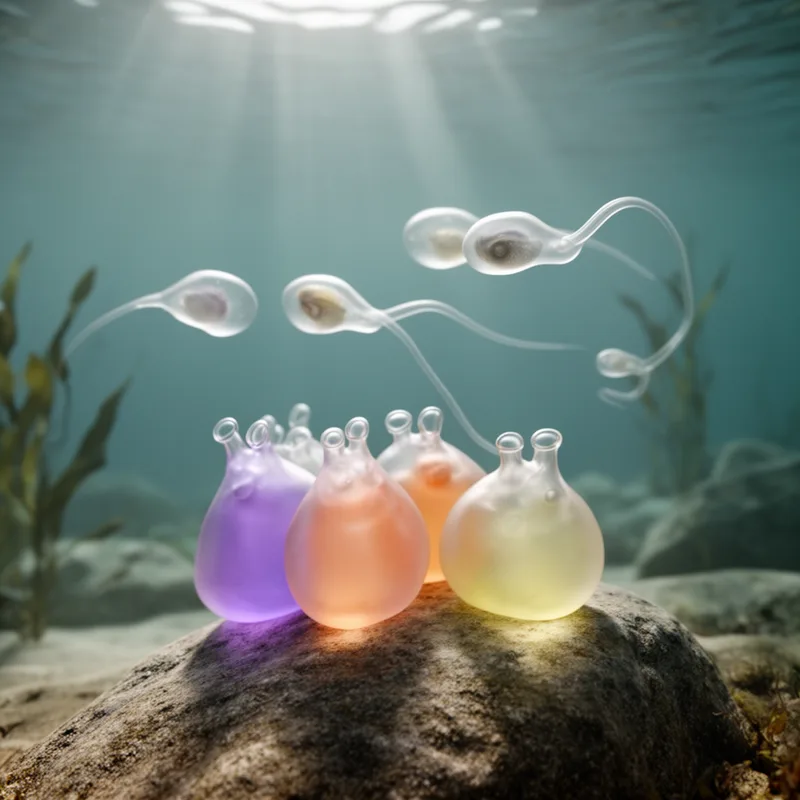
subphylum Urochordata
- noun
- /sʌbˈfaɪləm ˌjʊrəˈkɔrdə/
- Specialized
- The subphylum Urochordata includes marine creatures commonly referred to as sea squirts.
Examples
-
Researchers studied the developmental stages of organisms within the subphylum Urochordata.
-
Despite their simple appearance, members of the subphylum Urochordata play an important role in marine ecosystems.
-
The subphylum Urochordata includes various species of tunicates.
-
Did you know that the subphylum Urochordata is primarily marine?
-
Researchers studied the developmental stages of organisms within the subphylum Urochordata.
-
Despite their simple appearance, members of the subphylum Urochordata play an important role in marine ecosystems.
-
The subphylum Urochordata includes marine creatures commonly referred to as sea squirts.
Synonyms
A group of sea animals like sea squirts with a sac-like body and a backbone-like rod when young
Sea animals with a sac-like body and a tough outer covering
Sea animals with a sac-like body and a tough outer covering, like sea squirts
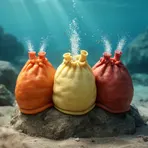
Sea animals that have bag-shaped bodies and a tough outer covering and that filter water to feed, like sea squirts
Surface Forms
Morphology
The phrase is fully compositional: 'subphylum' denotes a taxonomic rank and 'Urochordata' names the group, so the meaning 'the subphylum called Urochordata (a group of tunicates)' follows directly from its parts. Taxonomic naming conventions are regular across languages, so a learner who knows both constituents can infer the MWE's meaning.
Etymology
Subphylum Urochordata comes from Greek roots uro- ('tail') and -chordata ('cord') because the free-swimming young have a tail with a cord-like support inside, and the word 'subphylum' shows they are a group under a larger animal group.

