

Urochordata
- noun
- /ˌjʊərəˈkɔrdətə/
- Specialized
- The Urochordata are marine animals with a distinctive sac-like body covered by a tough outer layer.
Examples
-
Scientists have discovered several new species within the Urochordata subphylum in the deep sea.
-
Urochordata are distinguished by their notochord, which is present only during the larval stage.
-
The study compares the genetic makeup of Urochordata and other chordates.
-
The Urochordata are fascinating marine creatures.
-
Did you know that Urochordata have a unique life cycle?
-
Marine biologists study the Urochordata to understand their role in ocean ecosystems.
-
Many Urochordata species are known for their ability to filter water as they feed.
Synonyms
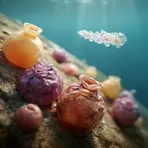
Sea animals with a sac-like body and a tough outer covering

Sea animals that have bag-shaped bodies and a tough outer covering and that filter water to feed, like sea squirts

A group of sea animals like sea squirts with a bag-like body and a tail in the young stage
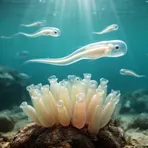
A group of sea animals like sea squirts with a sac-like body and a backbone-like rod when young
Compounds
- Specialized
A group of sea animals like sea squirts with a bag-like body and a tail in the young stage
Surface Forms
Etymology
Urochordata comes from parts that mean 'tail' and 'cord': uro- 'tail' and chord 'cord', like the English word cord. These sea animals have a 'cord' in their tail only when they are young, which is why they are called Urochordata.

