
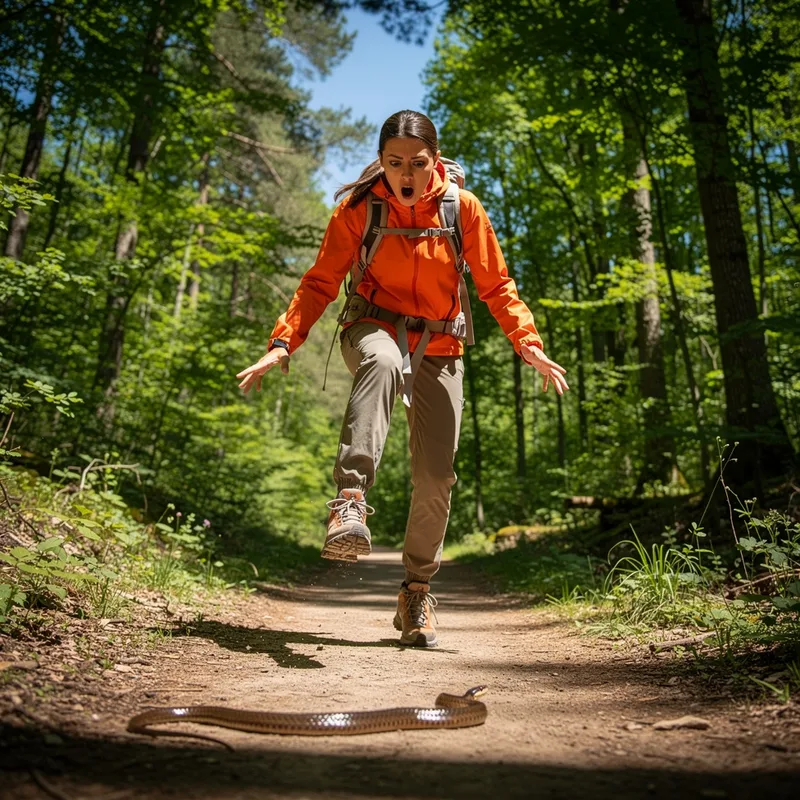
to stop dead
 12
3.9
12
3.9

- phrasal verb
- /stɑp dɛd/
- Informal
- It was a cruise vehicle come down the hill, turned right and stopped dead, covering the crosswalk.
- stop dead in their tracks
Loading YouTube…
Watch on YouTubeIt was a cruise vehicle come down the hill, turned right and stopped dead, covering the crosswalk.
- It was a cruise vehicle come down the hill, turned right and stopped dead, covering the crosswalk.
- Well, the nighthawk turned the corner and saw me and just froze, stopped dead in his tracks.
- And I remember stopping dead in my tracks in the middle of HomeGoods and saying to him and just busting out in tears.
Examples
-
Breathless, I opened the door to Peggy's room and stopped dead in my shoes.
Fiction book (1994) -
And then I saw the inkstand and stopped dead in my tracks, staring.
Fiction book (1994) -
The first out, Mom stops dead at the bottom of the steps and looks around.
Fiction book (1996) -
" He stood and then stopped dead in his tracks, staring at her.
Fiction book (1993) -
Oh, Sheeba, let me take you home, Uncle Jack says, and I stop dead in my tracks.
Fiction book (1992) -
When they saw Geordi's companion, they stopped dead in their tracks.
Fiction book (1991) -
Well, the nighthawk turned the corner and saw me and just froze, stopped dead in his tracks.
-
And the horse stopped dead in its tracks, lost and blinded by the surging, pelting rain.
Fiction book (1994) -
Wherever we ventured in and around the old walled city, people stopped dead in their tracks and stared.
Academic text (2009) -
When she heard the loud crash, she stopped dead, unable to move for a moment.
Synonyms
 244
1.6
244
1.6
Stop moving suddenly because of fear or surprise
 13
3.4
13
3.4
Stop moving or working completely
 3
3.9
3
3.9
To suddenly stop moving or speaking because you are surprised
 3
5.2
3
5.2
Freeze and stay completely still because of surprise or fear

Suddenly stop moving because you feel afraid or surprised
Antonyms


How Sudden
244
1.6

- Informal
12
3.9
1
5.8
206
2.4
687
1.4
Surface Forms
Morphology
The sense 'to stop suddenly and completely' is directly compositional from 'stop' (cease movement) plus 'dead' (motionless/completely), where 'dead' functions as an intensifier meaning wholly or utterly. This is a common, cross-linguistically transparent pattern (intensifier + verb/adjective) so a B1 learner who knows both words will readily infer the MWE meaning.
Etymology
The verb stop dead comes from using dead to mean completely still. Imagine someone freezing as if they were a dead person, so to stop dead means 'to stop suddenly and completely'.