
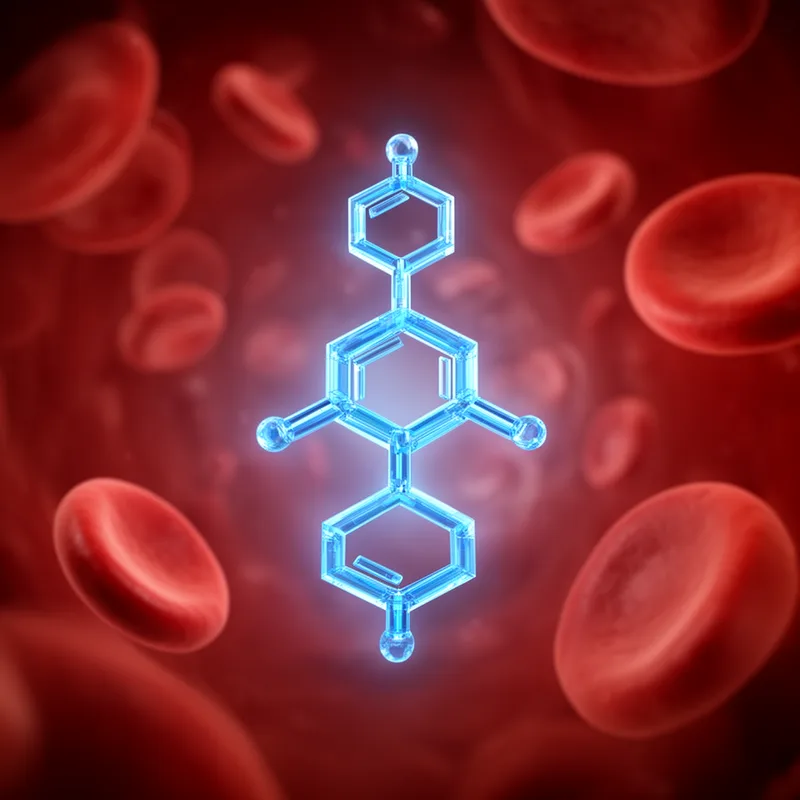
steroid
 51
4.1
51
4.1

- noun
- /ˈstɛrɔɪd/
- Specialized
- Increases muscular growth and athletic performance at three times the rate of any steroid on the market, legal or otherwise.
- steroid hormones
- sex steroids
- steroid receptor
Loading YouTube…
Watch on YouTubeBut of course the whole audience here has another steroid called testosterone in it.
- But of course the whole audience here has another steroid called testosterone in it.
Examples
-
And that structure is called a steroid ring structure.
-
All of these cases were managed with the application of steroid drops for two weeks.
Academic text (1995) -
Your doctor might give you steroid injections or steroid pills.
-
Your blood is full of proteins and steroids.
-
In fact, our bodies make steroids out of cholesterol.
-
The diagnosis was croup, and steroid and epinephrine treatment was started.
Academic text (2006) -
A diagnosis of sarcoidosis was made, and the patient was started on intravenous steroid therapy.
Academic text (2008) -
Several clinical trials have shown that antibiotics and steroids have a symbiotic relationship.
Academic text (2006) -
Twenty-eight patients were given steroid injections, and 26 were in the placebo group.
Academic text (2015) -
Anabolic steroids can increase muscle mass but may have serious side effects.
Compounds

- NSFW
5
4.3
A man-made hormone that helps make muscles and bones grow, sometimes used by doctors but misused by athletes
- Specialized
A hormone from the adrenal gland or a similar drug that reduces swelling and weakens the body's defence

- Specialized
A waxy chemical in animals and plants with a small alcohol part, for example cholesterol
- Specialized
A chemical made from cholesterol that controls growth and development of sex organs
Surface Forms
Morphology
steroid = ster + oid
The word appears to be built with the scientific suffix '-oid', but the stem 'ster-' is not a transparent English base for most learners, so the chemical meaning is not predictable from its parts.
Etymology
Steroid comes from sterol (as in cholesterol) plus the ending -oid, which means 'like'. Many hormones, such as testosterone and estrogen, are made from cholesterol and share the same four joined rings, so steroid means 'chemicals like sterol' and describes this family of similar ring-shaped substances.