

to start
 530
1.0
530
1.0

- verb
- /stɑrt/
- Well, when the fireworks went off, poor boy, started screaming and howling.
- start crying
- start screaming
- start shaking
Examples
-
Alex was so shocked he didn't start crying for what seemed like a long time.
Fiction book (1990) -
The sudden sound of the boy next door starting to play his trumpet startles him.
Fiction book (1990) -
Yeah, and then your teeth start to just burn.
-
It's mental back in the South, start screaming, hands on your head.
-
The machinery had started to move and nothing could stop it.
-
David had barely said okay when they squealed and started to run toward the truck.
Fiction book (1990) -
This guy named Jason freaked out and started killing everyone.
-
She started when the loud noise made her jump in surprise.
-
The dog started at the sudden sound of the door slamming.
-
He started when he saw the snake slithering past him unexpectedly.
Synonyms
 217
1.0
217
1.0
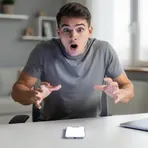
To move or start suddenly because you are surprised
 141
1.0
141
1.0
To move suddenly by jumping, leaping, or bouncing
 71
4.1
71
4.1
Move back quickly because of pain, fear or surprise
 50
3.3
50
3.3
To move suddenly, for example by jumping, because you feel surprised
 8
4.3
8
4.3
To surprise someone and make them react
 5
7.7
5
7.7
To be very surprised and move suddenly because of fear
Idioms



- Informal
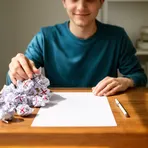
To begin a plan or project again from the start after a failure
Phrasal Verbs







 1
3.7
1
3.7
To start a car engine that has a dead battery using another car's battery and cables





Compounds




 2
4.0
2
4.0
An act of starting a car with a dead battery using another car's battery and cables


- Specialized
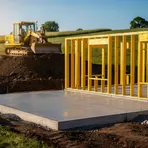
A low position close to the ground that runners use before a race to start quickly

- Specialized
A lever on a motorcycle that you press with your foot to start the engine


A one-time payment from the UK government to help with baby costs for parents who meet certain rules

How Startled

Surface Forms
Etymology
Start first meant 'to jump' or 'move suddenly', the same idea you see in the word startle, so to start is to make a quick movement because you are surprised.