
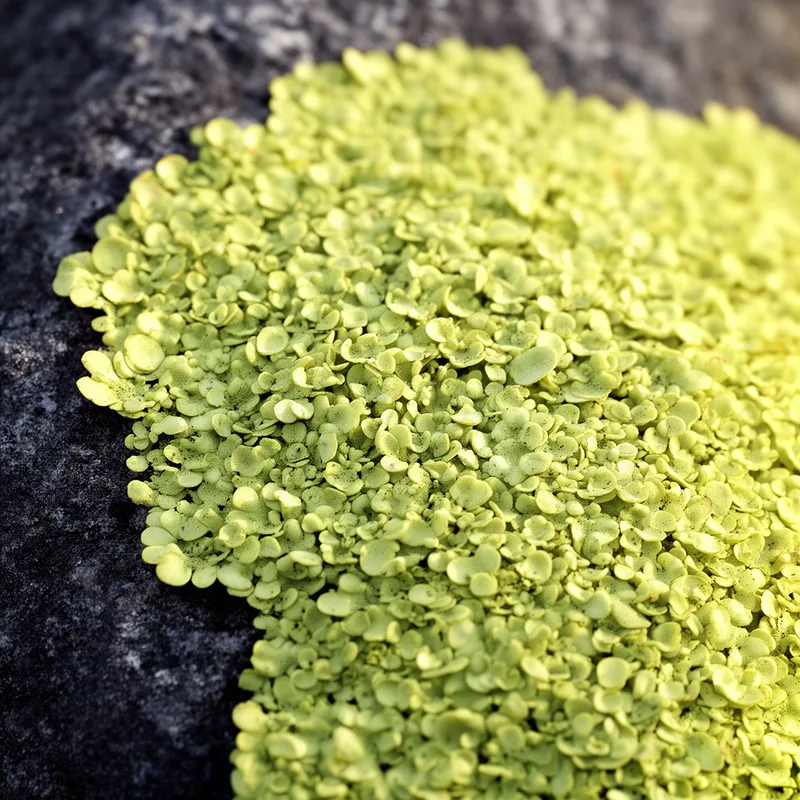
squamulose
- adjective
- /ˈskwɑːmjʊloʊs/
- Specialized
- The squamulose texture of the lichen was visible under the microscope.
Examples
-
Some desert plants develop a squamulose surface as protection against the harsh sun.
-
Certain species of fungi have squamulose caps that flake off easily.
-
That is a squamulose plant.
-
Look at the squamulose patches on that tree!
-
Some desert plants develop a squamulose surface as protection against the harsh sun.
-
The squamulose texture of the lichen was visible under the microscope.
-
Certain species of fungi have squamulose caps that flake off easily.
Synonyms


 1
8.6
1
8.6
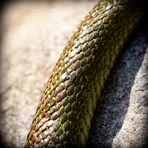
Covered in small, flat scales like a snake or fish

Rough to the touch because it is covered with small scales
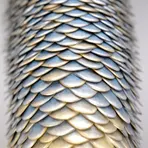
With small overlapping plates like fish scales

A surface or tissue that looks like fish scales

Relating to lizards and snakes or animals with scaly skin
How Scaly
- Specialized
 15
3.3
15
3.3
Surface Forms
Morphology
squamulose = squama (opaque) = squamul + ose
The combining form 'squamul-' (relating to scales) is a technical/rare root and is not familiar to average learners, so the relation is not readily derivable.
Etymology
Squamulose comes from the Latin root squama, which means 'scale' (like a fish scale). So a squamulose surface is one 'covered with small scales', which is why the word describes lichens and plants that look flaky or scaly.