
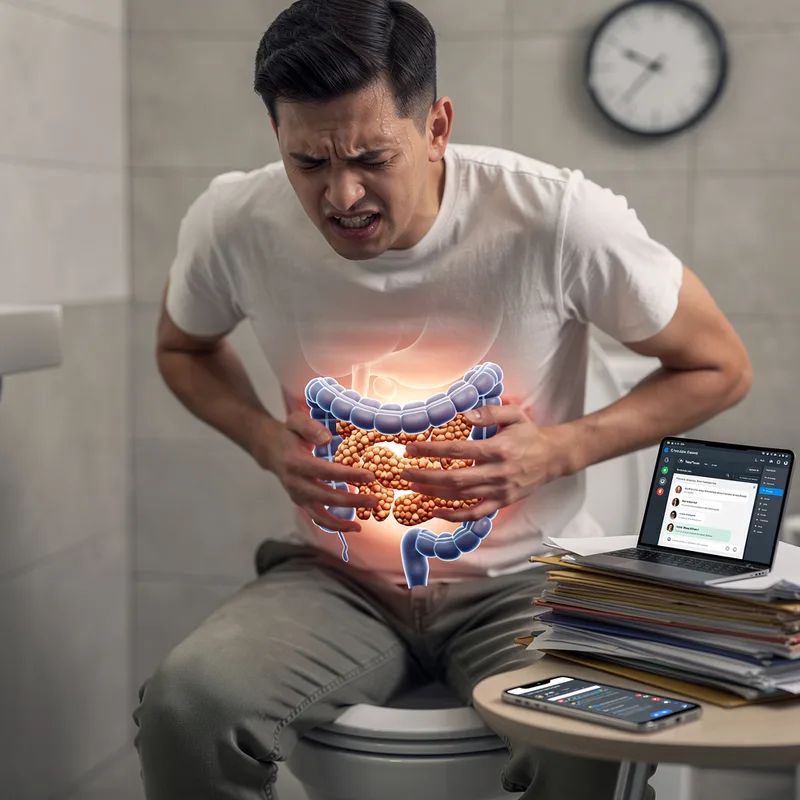
spastic colon
 1
5.8
1
5.8

- noun
- /ˈspæstɪk ˈkoʊlən/
- Archaic
- The doctor explained that a spastic colon can cause severe abdominal cramps and frequent changes in bowel habits.
Examples
-
Yeah, well, I got a spastic colon, but I'll give it a shot.
-
For example, allergies or a spastic colon could potentially make a child feel miserable and possibly make them miserable to be around.
Academic text (2005) -
I told work that my mom had a spastic colon.
-
Congratulations, you have a spastic colon.
-
-l have a spastic colon.
-
Oh, my spastic colon!
-
Like every other occasion when the Whites got together, it had become Robin's Day, a time for forced smiles and spastic colons.
Fiction book (1996) -
You gota spastic colon?
-
Many people with a spastic colon experience alternating episodes of constipation and diarrhea, often triggered by stress.
-
After years of discomfort, she finally received a diagnosis of spastic colon, which helped her understand her symptoms better.
Synonyms
 3
3.7
3
3.7
A common condition that causes belly pain and changes in toilet habits, often after stress

A condition causing belly pain and diarrhea or constipation often worse during stress
Surface Forms
Morphology
The phrase denotes a colon characterized by spasms, which is directly and compositionally derived from 'spastic' (prone to spasms) + 'colon' (part of the intestine). This adjective + body-part medical naming pattern is common and predictable, so a B1 learner who knows both constituents would grasp the basic meaning.
Etymology
Spastic colon The medical name spastic colon comes from doctors who saw the large intestine, the colon, making sudden tight movements called 'spasms' that caused pain. That's why spastic colon means a problem with belly pain that comes back and irregular bowel habits like diarrhea and constipation.