
sorrower
- noun
- /ˈsɔroʊər/
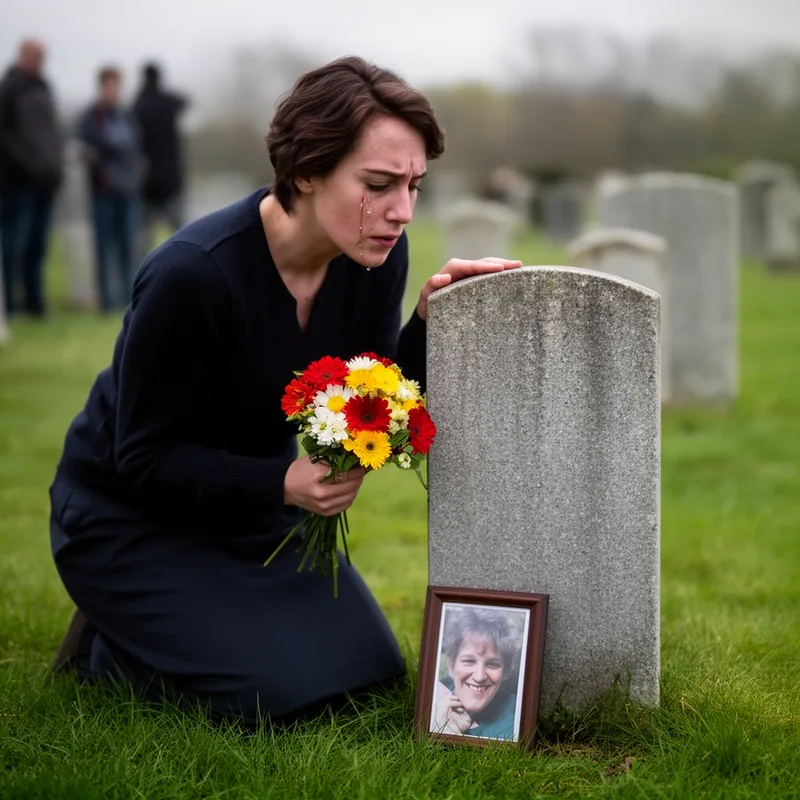
- She comforted the sorrower with kind words and a gentle embrace.
Examples
-
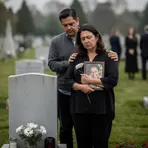
The room was silent as each sorrower remembered their loved one.
-
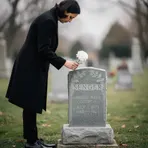
At the memorial, a sorrower placed flowers on the grave.
-
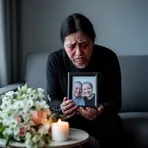
The sorrower sat quietly in the corner.
-
Many sorrowers gathered at the memorial service.
-
At the memorial, a sorrower placed flowers on the grave to honor their lost loved one.
-
She comforted the sorrower with kind words and a gentle embrace during his time of grief.
-
The room was silent as each sorrower reflected on the memories of those they had lost.
Synonyms
 39
4.0
39
4.0

A person who feels sad because someone has died
 2
7.8
2
7.8
A person who has lost someone they loved to death


 1
7.2
1
7.2
A person who feels deep sadness after someone close dies
A person whose close family member or friend has died

A person who feels deep sadness and cannot find comfort, often in old writing
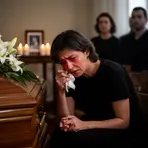
A person who shows sadness at a funeral or after a death
How Sad

Surface Forms
Morphology
Etymology
The word sorrower is just sorrow + the ending -er. The word sorrow comes from an old English word meaning 'grief', and it is the same root as sorry, so a sorrower is 'one who' feels deep sadness, often after a loss.