
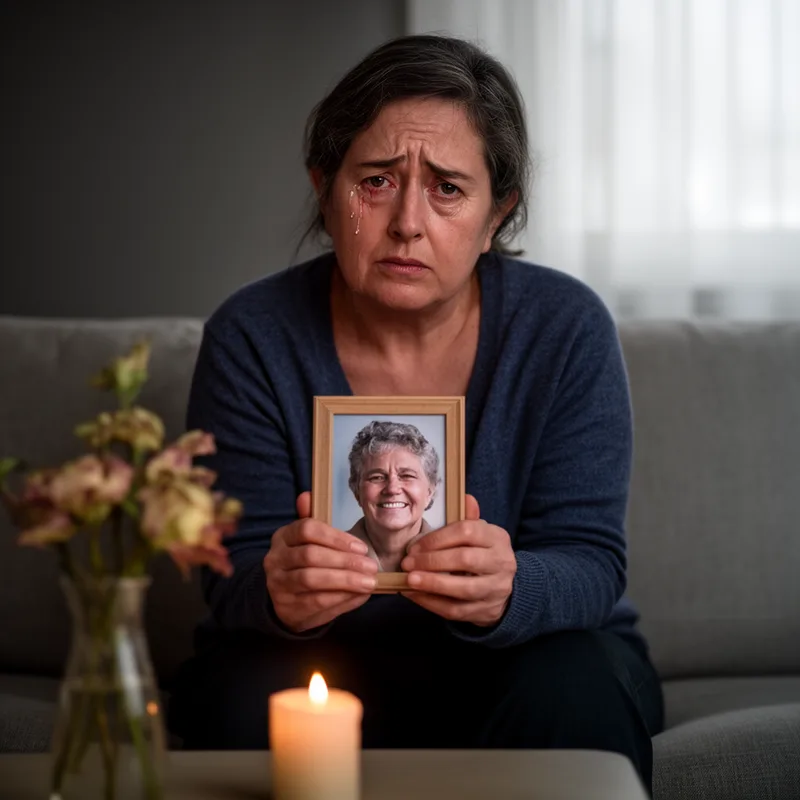
griever


 1
7.2
1
7.2
- noun
- /ˈɡriːvər/
- As a griever, she often felt overwhelmed by sadness, but she knew that talking about her feelings could help her heal.
Examples
-
Although a common (but misguided) approach is to avoid painful issues to spare the person's feelings, not saying anything about the death can lead the griever to believe that her loss is not important.
Blog text (8) -
He wants me to serve for a year as a union griever.
Fiction book (1991) -
Didn't all grievers want that?
Fiction book (1998) -
Such a realization should ease loneliness, even for the griever who is left alone; it should also, in time, help to propel one back into life.
Blog text (13) -
Disenfranchised grief occurs when a relationship is not recognized, a loss is not recognized, and a griever is not recognized (Doka, 1989).
Academic text (2011) -
During the ceremony, each griever shared memories of their lost loved ones, finding comfort in each other’s presence.
-
The support group provided a safe space for grievers to express their feelings and share their experiences of loss.
Synonyms
 39
4.0
39
4.0
A person who feels sad because someone has died
 2
7.8
2
7.8
A person who has lost someone they loved to death
A person whose close family member or friend has died
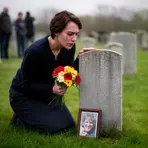
A person who feels deep sadness after losing someone
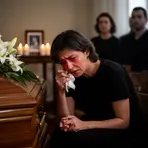
A person who shows sadness at a funeral or after a death
Antonyms

How Sad

Surface Forms
Morphology
Etymology
The word griever comes from the word grief, which means 'deep sadness', and from the verb grieve, with the ending -er meaning 'one who'. So a griever is 'one who feels deep sadness', often after the death of someone close.