

soapberry tree
- noun
- /ˈsoʊpˌbɛri tri/
- The soapberry tree produces fruit that can be used as a natural soap substitute.
Examples
-
The soapberry tree can be found in various regions and is known for its saponin-rich fruit.
-
Many people use the berries of the soapberry tree to make eco-friendly cleaning products.
-
When they spied another member of their family group, they congregated on a small clump of trees or often in the same tree, usually a mesquite or a small soapberry tree.
Academic text (1990)
Synonyms
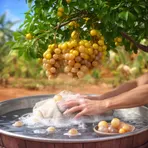
A tree or its fruit from warm countries that people use as natural soap

A tree or shrub that makes berries used as natural soap
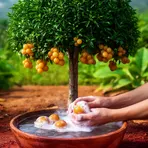
An evergreen tree from tropical America with fruit used as a natural soap

An evergreen tree with soft fruit used as natural soap
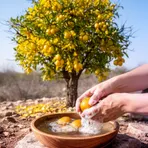
A tree that loses its leaves and has soft fruit used as natural soap

A tree from the southwestern United States that loses its leaves each year and has fruit used to make soap

An evergreen shrub or small tree from tropical America with soft fruit used as natural soap
Surface Forms
Morphology
The meaning is fully compositional: 'soapberry' (a fruit/tree producing saponin used as soap) combined with 'tree' yields ‘a tree that produces soapberries.’ This noun–noun compounding follows a transparent and predictable pattern, so a B1 learner who knows the constituent words can infer the MWE meaning.
Etymology
Soapberry tree gets its name from the tree's berries, which make a soap-like foam and were used by people as a natural cleaner. So the name (soapberry + tree) tells you it is a tree with berries that can be used 'to wash' or make 'natural soap'.

