
Sapindus
- noun
- /sæˈpɪndəs/
- Specialized
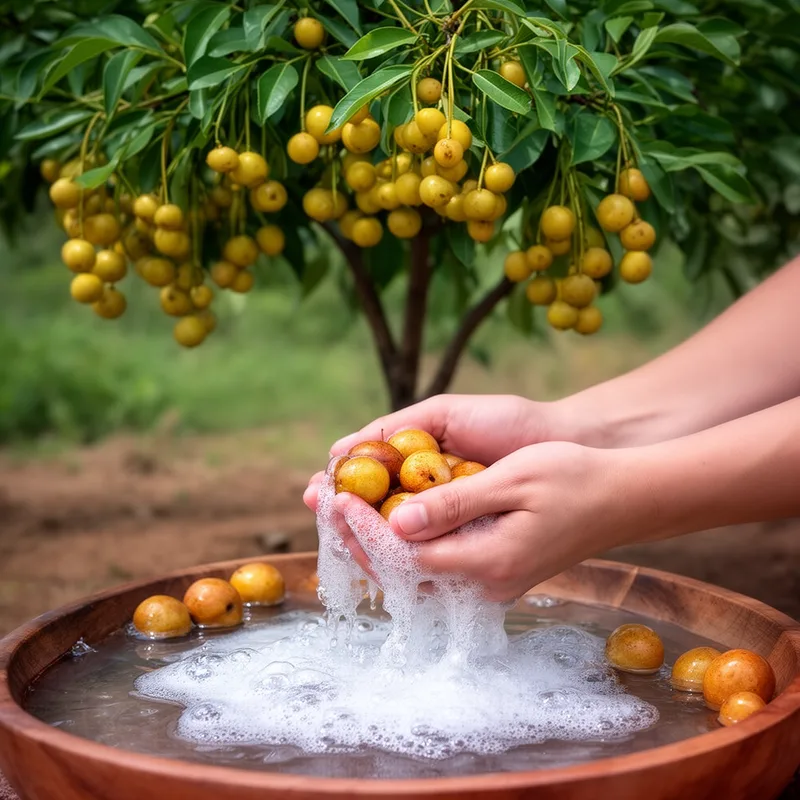
- The seeds of Sapindus species are often used as natural soap in some cultures.
Examples
-
The botanist presented her research on the distribution of Sapindus across Asia and the Americas.
-
The Sapindus tree is known for its soap-like fruit.
-
Many Sapindus trees produce berries that can be used for cleaning purposes.
-
Many people use Sapindus as a natural detergent.
-
The fruit of the Sapindus tree is often used to create eco-friendly soap.
-
In traditional medicine, Sapindus berries have been valued for their cleansing properties.
-
Farmers in tropical regions often cultivate Sapindus for its versatile soapnuts.
Synonyms

A group of trees and shrubs with fruits called soapberries used as natural soap
Compounds
- Specialized
A group of trees and shrubs with fruits called soapberries used as natural soap

- Specialized
A tree from the southwestern United States that loses its leaves each year and has fruit used to make soap

- Specialized
An evergreen tree from tropical America with fruit used as a natural soap
- Specialized
A tree that loses its leaves and has soft fruit used as natural soap
Surface Forms
Etymology
The word Sapindus comes from Latin parts sapo ('soap') and indicus ('of India'), so it literally means 'soap of India'. That is why the plants in this group are called soapberries or soapnuts and their fruit can make a natural soap for cleaning.

